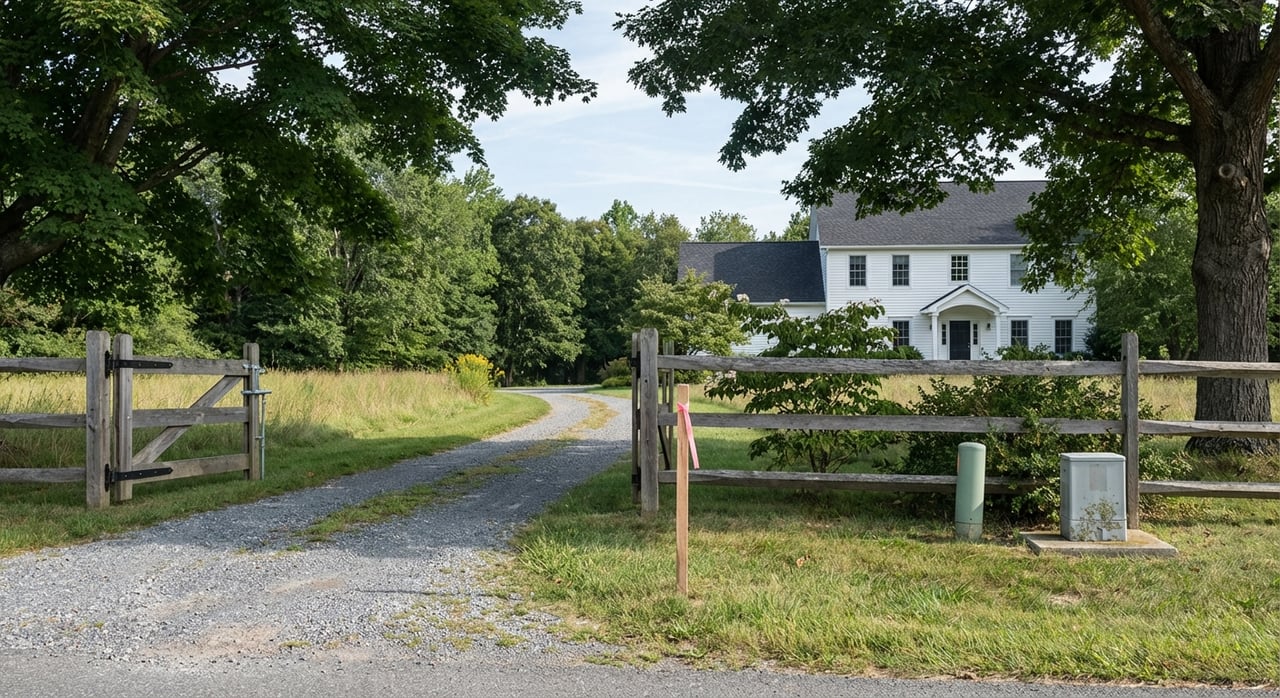
Dreaming about space to breathe, room for a garden, or a small hobby farm of your own? Buying land in West Amwell Township can bring that vision to life, but rural acreage comes with extra steps that city and suburban lots often skip. With the right checks, you can avoid costly surprises and feel confident in your plan.
This guide walks you through zoning, well and septic rules, PFAS testing, utilities, financing, and a simple due‑diligence checklist tailored to West Amwell. You will learn what to verify, who to call, and when to bring in specialists. Let’s dive in.
West Amwell at a glance
West Amwell is a rural township in southern Hunterdon County with active farms and large‑lot neighborhoods. Most properties rely on private wells and septic systems, and public water or sewer is limited to specific areas. The local zoning code favors larger parcels outside small higher‑density pockets along main routes.
Because most lots are serviced privately, building feasibility depends on well capacity, septic suitability, and site conditions. If you are planning a new home or a small farm, you will want to confirm these early, before you commit to a closing date.
Zoning rules that shape your plan
Confirm your district and lot size
Start with the township zoning map and the residential standards. Common rural districts include SRPD at 8 acres minimum, RR‑6 at 6 acres, RR‑5 at 5 acres, and RR‑4 at 4 acres. These minimums set the baseline for whether a parcel is buildable for a single‑family home without variances.
- Review the residential minimums in the township’s Schedule One for residential zones. The schedule lists minimum lot size, setbacks, and other key standards. You can confirm the parcel’s zone on the official zoning map.
Helpful resources:
- Review the residential standards in the township’s Schedule One for residential zones.
- Confirm a property’s district on the official zoning map.
Utilities can change lot minimums
Smaller residential lots exist only where public water and sewer are available. In those limited areas, higher‑density standards like R‑9 may apply. Always confirm whether a property has public utilities or will rely on a private well and septic, since this affects both zoning and site‑planning decisions.
When a variance may be required
If your plan involves reduced frontage, driveway access across steep slopes, coverage changes, or a use that is not clearly permitted, you may need Land Use Board or Zoning Board review. The municipal code lays out applications, escrows, and review steps. Build time and budget for possible board reviews if your concept is not a straight fit for the zone.
For complete rules and the review process, consult West Amwell’s Land Development ordinance and confirm details with the Zoning Officer.
Wells, water quality, and septic
Proving well capacity
In rural West Amwell, a private well must show it can serve your home. A licensed driller performs a pump test. An initial test of 5.0 gallons per minute or more is generally considered adequate for a single‑family house. If flow is below 5.0 gpm, the township requires a constant‑rate drawdown test and water storage calculations. Local rules also define water storage at 80 gallons per bedroom, along with other submittals.
- See the township’s well standards in the Board of Health code for testing and submittal requirements. These are in addition to county and state rules.
Reference: West Amwell well requirements in Chapter 168, Wells.
PFAS testing and state help
West Amwell has an active PFAS issue in the Connaught Hill area, where elevated levels were detected in some private wells. If you are buying near that neighborhood or any property on a private well, require a certified lab test for PFAS along with routine potability tests before closing. Ask for any existing state lab results and verify if there is a New Jersey Spill Compensation Fund claim on file.
- The NJ Spill Fund can provide reimbursement or assistance for point‑of‑entry treatment systems in certain cases. Eligibility and timing are specific, so review the program details and keep copies of certified sampling reports.
Learn more on the township’s PFAS information page and the NJDEP’s Spill Fund guidance for private wells.
Septic design and approvals
Septic feasibility depends on your soils. West Amwell adopts the state subsurface sewage standards (N.J.A.C. 7:9A) and requires soil permeability and log pit tests, witnessed by the proper authority, before a permit will be issued. If you are buying raw land, do not assume a lot without prior septic approval is buildable. Plan your test schedule with the seller and your engineer so results are in hand before the end of due diligence.
- Check the township’s Sewage Disposal chapter for witness fees, permits, and inspection steps. You can also request any existing septic records from the Hunterdon County Health Department when available.
Reference: West Amwell septic rules in Chapter 173, Sewage Disposal.
Access, construction logistics, and stormwater
New homes need legal access and a compliant driveway. West Amwell requires a free township Driveway Permit for any new driveway or modification. Typically only one driveway is permitted per residential lot, and additional access needs zoning approval. During construction, stabilized access and soil‑control measures are expected, and a final driveway inspection is required before a Certificate of Occupancy.
Review the township’s Driveway Permit requirements before you finalize site plans.
Environmental overlays to check
Floodplains, wetlands, and regulated buffers can limit or reshape where you can build, even on large acreage. Confirm early if your parcel sits within a flood hazard area or wetland buffer. If so, you may need to redesign your building envelope or pursue state permits.
- Use FEMA’s Flood Map Service Center to check panel data for a specific address.
Start with FEMA’s Flood Map Service Center and ask your engineer about any NJDEP flood hazard or wetlands constraints.
Utilities and service feasibility
Service availability can add cost and time to rural builds. Electric (commonly via JCP&L), internet and cable (often Comcast/Xfinity), and telephone (Verizon) coverage vary by location. If utilities must be extended, get written quotes early in the process so you can budget correctly. In the few areas with public water or sewer, confirm connection rules and capacity with the township before you rely on smaller lot standards.
Financing options for land and farms
Vacant land is often financed differently than a primary home. Lenders may see raw land as higher risk, which can mean larger down payments and shorter terms. Industry guidance commonly cites down payment ranges of about 20 to 50 percent, depending on land type, location, and borrower profile. Local banks and credit unions that understand Hunterdon County can be your best first calls, and a construction‑to‑permanent package can work if you plan to build soon after closing.
- For background on land‑loan basics and why terms differ from traditional mortgages, see this overview from RISMedia.
- If you plan to operate an agricultural business, the USDA Farm Service Agency offers Direct Farm Ownership, joint financing, and a Down Payment loan option for eligible beginning farmers. Explore options through the USDA FSA farm‑loan programs.
- Some vacant land loans are exempt from certain federal mortgage disclosures if no construction is planned within two years. Ask your lender for written clarity on which consumer protections apply to your specific loan.
Your step‑by‑step due diligence
Use this checklist to keep your purchase on track:
- Confirm zoning and lot status. Identify the zoning district and the minimum lot standards, then map out the buildable area. Check the zoning schedule and the zoning map.
- Order title and a boundary survey. Ask for an ALTA or extended boundary survey that shows easements, rights‑of‑way, and a proposed building envelope.
- Pull septic history and plan witnessed tests. If records are missing or outdated, schedule soil and perc tests in line with township procedures. Review local rules in Chapter 173.
- Test the well and screen for PFAS. Require a licensed pump test and certified lab results for PFAS, bacteria, and nitrates. See the township’s PFAS page.
- Check floodplain and wetlands. Use FEMA’s map center and consult your engineer on NJDEP regulated areas that affect your layout.
- Plan driveway access. Confirm sight lines and driveway location, and review the Driveway Permit process and specs.
- Verify utilities. Contact electric and telecom providers for availability and line‑extension costs. If near public water or sewer, confirm connection feasibility with the township.
- Price financing. Shop local lenders for land or construction‑to‑perm loans. If farming is part of your plan, check USDA FSA options.
- Schedule a pre‑application chat. Ask the Zoning Officer about basic buildability and whether you should plan for any board reviews.
- Review environmental records. For properties with prior industrial use or known issues, consult environmental professionals and check state resources. If PFAS is relevant, note any Spill Fund claim status.
Common pitfalls to avoid
- Assuming a rural lot is buildable without witnessed well and septic tests.
- Relying on informal well tests instead of certified lab results, which can affect Spill Fund eligibility and treatment options.
- Overlooking floodplains, wetlands, or endangered‑species overlays that can block development.
- Skipping utility feasibility checks, which can lead to expensive line‑extension surprises.
- Treating a land loan like a standard mortgage without confirming disclosures and terms in writing.
Ready to walk land in West Amwell?
Buying acreage should feel exciting, not overwhelming. With a clear plan and the right local team, you can move from wish list to site plan with confidence. If you would like a curated property list, introductions to trusted well and septic pros, or help navigating zoning, reach out to Fiona Bradshaw to schedule a free consultation.
FAQs
What zoning and lot sizes are common in West Amwell?
- Rural districts like SRPD (8 acres), RR‑6 (6 acres), RR‑5 (5 acres), and RR‑4 (4 acres) are common; confirm your exact zone using the township’s residential schedule and zoning map.
How do private well tests work when buying land?
- A licensed driller performs a pump test; 5.0 gpm or more is generally adequate, and below that requires a drawdown test and storage calculations, with 80 gallons per bedroom for storage.
What should I know about PFAS in West Amwell wells?
- The Connaught Hill area has confirmed detections; require certified lab PFAS testing before closing and check if a property has an NJ Spill Fund claim or treatment system in place.
Do I need a driveway permit for new construction?
- Yes. West Amwell requires a free Driveway Permit for new or modified driveways, and a final inspection is needed before a Certificate of Occupancy.
How are land loans different from home mortgages?
- Vacant land loans often require larger down payments, sometimes 20 to 50 percent, with different terms; local lenders and construction‑to‑perm packages can be good options.
Can I qualify for farmland tax benefits or preservation?
- New Jersey has farmland assessment and county farmland preservation programs; confirm eligibility and any deed restrictions or easements before you buy.