Dreaming about a little more land, a barn out back, or a slower daily rhythm? In West Amwell, country living is not just a style choice. It is built into the land, the zoning, and the township’s long agricultural history. If you are exploring a hobby farm or a rural home here, you need more than a pretty listing photo. You need to understand how acreage, wells, septic, and farm rules shape day-to-day life. Let’s dive in.
Why West Amwell appeals to hobby-farm buyers
West Amwell Township stands out because it is still overwhelmingly rural in character. The township’s farmland preservation plan describes the area as predominantly farmland and forest, with homes scattered along county roads rather than laid out in compact suburban patterns.
That rural feel is backed up by the larger Hunterdon County landscape. The county has more than 120,000 farmland-assessed acres, an average farm size of 63 acres, and leads New Jersey in farmland acreage, hay production value, and hay harvested acreage.
For buyers who want space, utility, and a true country setting, that matters. You are not just buying one house on one lot. You are buying into a township where agriculture remains a visible and protected part of everyday property ownership.
Land patterns in West Amwell
If you are searching for a hobby farm, lot size is usually one of the first questions. In West Amwell, many of the land-use rules reflect a rural residential pattern rather than a suburban one.
The township plan states that the RR-6, RR-5, and RR-4 districts use 6-acre, 5-acre, and 4-acre minimum lot sizes, and together those districts cover 63% of the township’s land mass. That alone gives you a good sense of how much of West Amwell is planned around larger parcels.
The parcel data is also telling. According to the township plan, 79% of parcel acreage is in lots larger than 10 acres, while lots between 1 and 5 acres account for only 11% of acreage. Smaller lots do exist, especially in historic areas and along major county roads, but the broader pattern still reads as rural.
What that means for your search
You may see everything from compact village-adjacent properties to larger country parcels. That is why two homes in the same township can offer very different possibilities for animals, outbuildings, or future improvements.
It also means you should avoid making assumptions based on acreage alone. A 4-acre property, a 10-acre parcel, and a home in a cluster development may each come with a different practical setup depending on zoning and site conditions.
Zoning shapes what you can do
West Amwell’s rules are one of the biggest reasons this area attracts buyers who want country living. The township’s right-to-farm ordinance recognizes farmland as a permitted use in all zones, which reinforces how central farming is to the local landscape.
At the same time, the zoning framework is district-specific. Some rural residential districts allow cluster development on tracts of at least 40 acres, with average lot sizes of 1.25 acres in the RR districts and 2 acres in the SRPD, while requiring at least 40,000 square feet of buildable area per lot.
Those cluster and lot-averaging rules are designed to preserve open space, agricultural use, and recreational land. So even where homes are grouped more closely, the township can still feel open and rural.
Smaller-lot areas still exist
Not every property in West Amwell sits on several acres. In the R-1A zone, the minimum lot area is 40,000 square feet for an interior lot and 45,000 square feet for a corner lot, with a 20% maximum impervious cover.
The SRPD also has its own distinct purpose. It is intended to protect an environmentally sensitive area, and the township plan notes that larger minimum lot sizing there reflects limiting soils for well and septic.
This is why zoning review is so important before you buy. The property that feels perfect for a few chickens, a horse, or a workshop may need closer review before you count on those uses.
Homes and outbuildings you may find
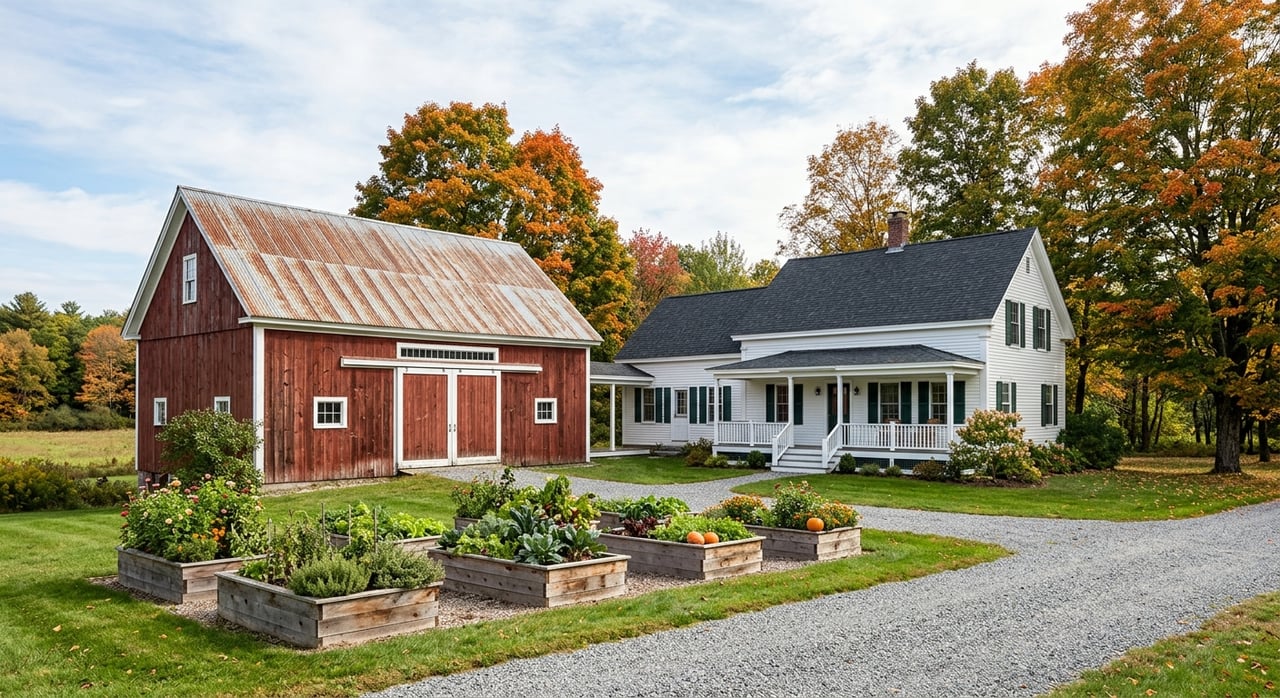
Part of West Amwell’s appeal is the variety of rural homes and historic structures you can find. The township’s historic preservation inventory includes stone farmhouses, frame I-houses, Colonial Revival dwellings, Italianate dwellings, and farmsteads with barns, wagon houses, springhouses, corncribs, and smoke houses.
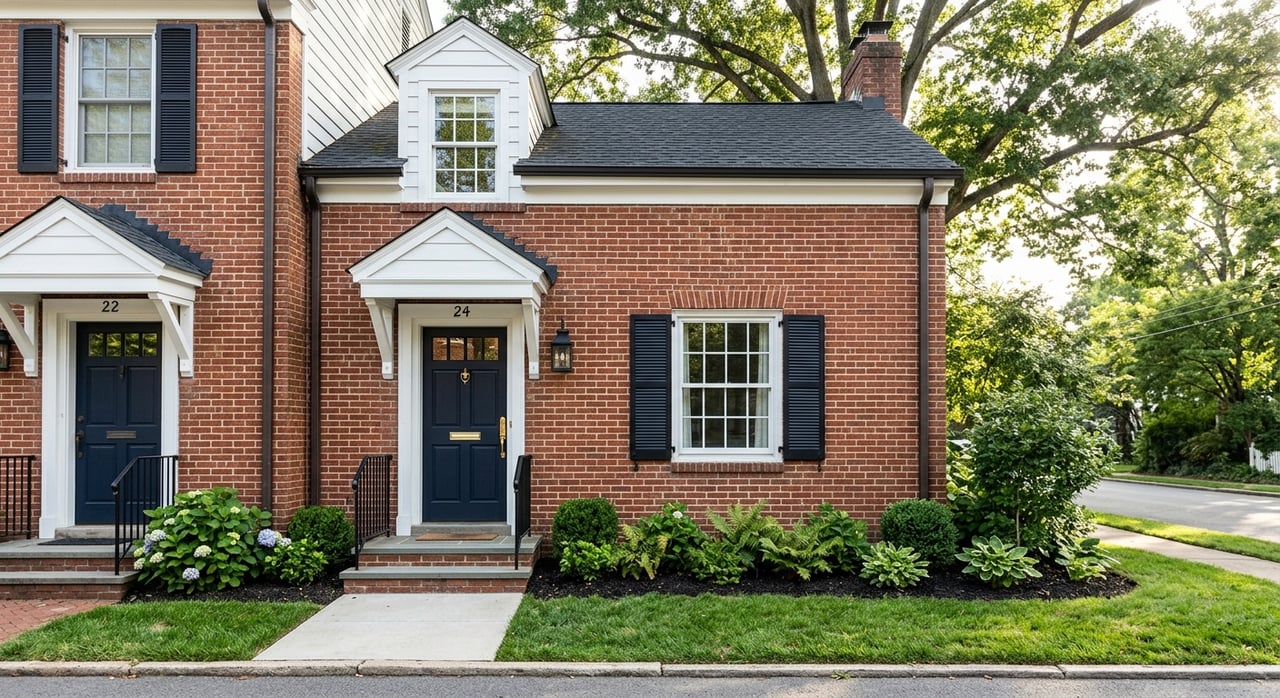
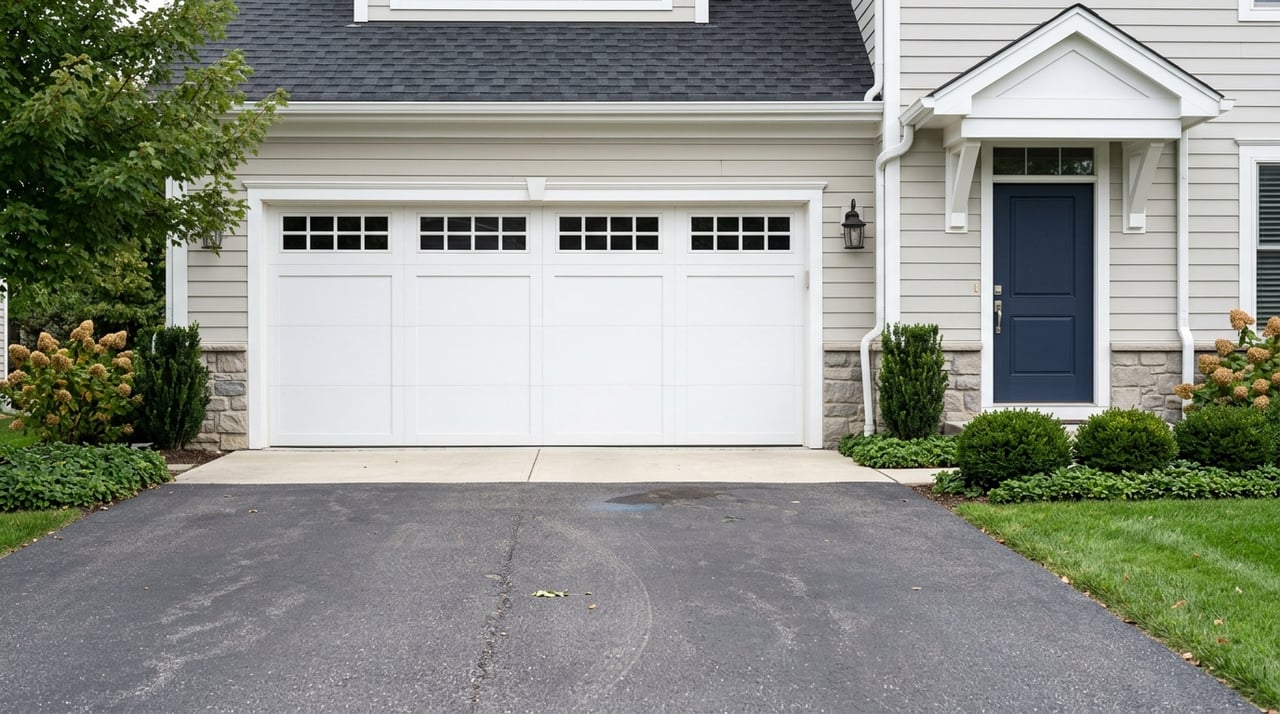
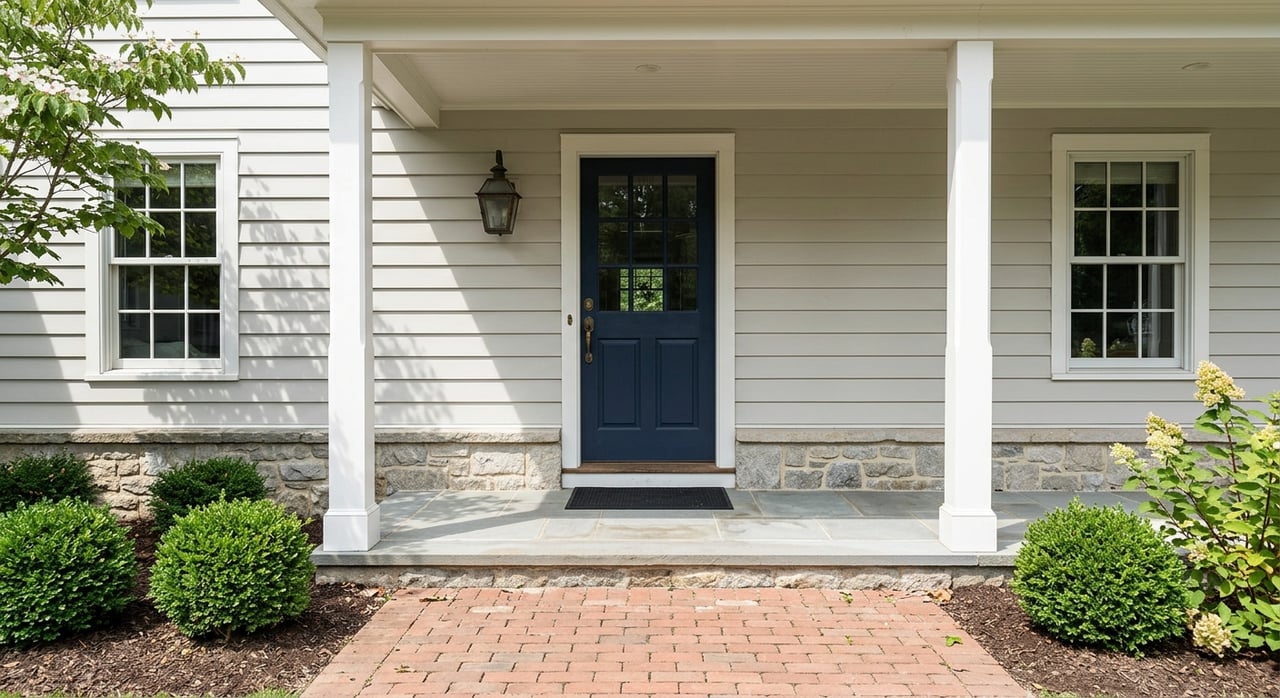
For today’s buyer, that often translates into a market mix of older farmhouses, renovated country homes, and larger rural dwellings with detached garages, barns, sheds, or other utility buildings. If you love character and utility, West Amwell offers a strong blend of both.
The township code also permits accessory uses in certain residential settings, including garages, swimming pools, sheds, decks, and community septic systems in the R-1A zone. Farm buildings may also have variable heights, and the code includes height exceptions for some accessory structures.
Check existing structures carefully
If a property includes a barn, shed, detached garage, or other outbuilding, it is smart to confirm how that structure is treated under the code. Farm buildings and standard accessory structures are not always regulated the same way.
You should also confirm permit history if you plan to renovate, expand, or repurpose a structure. That extra step can help you avoid surprises after closing.
Daily life on a country property
Country living in West Amwell can be rewarding, but it also comes with practical responsibilities. The township notes that there is very little public water and wastewater service in agricultural areas, so many properties rely on private wells and individual on-site septic systems.
That changes your due diligence. Instead of focusing only on the house itself, you also need to think about water testing, septic care, driveway upkeep, and long-term maintenance of rural structures.
Wells matter more than many buyers expect
New Jersey’s Private Well Testing Act requires testing when a qualifying private drinking-water well property is sold or leased. The New Jersey Department of Environmental Protection also encourages regular testing even when it is not legally required.
For buyers, that means the well is not just a background feature. It is a core part of how the property functions, and it deserves careful review during the transaction.
Septic systems need attention
NJDEP advises homeowners that septic systems need routine care and maintenance because they recharge into groundwater and can become expensive to repair if neglected. On a rural property, septic is not an afterthought. It is basic infrastructure.
If you are comparing properties, septic age, maintenance history, and site constraints can all affect your comfort level and your future costs. These are key questions to raise early.
Living near active farms
One of the most important lifestyle points in West Amwell is that agriculture is active, protected, and expected. The township’s right-to-farm ordinance states that nearby farm operations may create noise, odors, dust, and fumes, and deed notices are required in certain cases so buyers are aware of that reality.
The ordinance also notes that farm activities may include irrigation, fertilizers, grazing, fencing, and the movement of slow-moving farm equipment. If you are moving from a more suburban setting, this is an important mindset shift.
For many buyers, this is part of the charm. For others, it is a reason to ask more questions before making an offer. Either way, it is best to go in with a clear understanding of the setting.
Thinking about animals?
If your hobby-farm vision includes animals, make sure the property supports that plan under current rules. The township ordinance states that horses may not be kept on property under three gross acres.
The ordinance also requires manure or other odor-producing materials to be stored at least 100 feet from a property line. Rules like these are manageable, but they can affect how usable a parcel feels depending on its shape, setbacks, and existing improvements.
How much land is enough?
In West Amwell, the answer depends on the zoning district and your intended use. The township’s rural residential structure is built around 4- to 6-acre minimums in large portions of the municipality, while horse keeping requires at least 3 gross acres.
That means a property can be large enough to feel rural but still not be ideal for every hobby-farm goal. Matching the land to your actual plans is the key.
Why local guidance matters
West Amwell is not a place where every property follows the same pattern. Zoning districts, lot sizes, accessory structures, farm rights, well and septic conditions, and subdivision rules can all affect how a property functions.
The township also notes that deviations from land-development requirements generally require a variance. So if you are buying with future plans in mind, it is wise to confirm the property’s exact status with the township before relying on current use or informal assumptions.
That kind of detail work matters for sellers too. If you are preparing to list a farmhouse or rural property, clear information about acreage, outbuildings, systems, and permitted use can help buyers feel more confident.
If you are considering a move in West Amwell, working with an advisor who understands rural and lifestyle properties can make the process much smoother. To talk through your goals, connect with Fiona Bradshaw for a free consultation.
FAQs
What makes West Amwell appealing for hobby farms?
- West Amwell is predominantly farmland and forest, much of the township is planned around large-lot rural residential zoning, and local rules explicitly recognize farming as a permitted use.
What lot sizes are common in West Amwell?
- The township’s rural residential districts are built around 4-acre, 5-acre, and 6-acre minimums, and 79% of parcel acreage is in lots larger than 10 acres.
What should buyers know about wells and septic in West Amwell?
- Many rural properties rely on private wells and on-site septic systems, so buyers should pay close attention to required well testing, septic maintenance history, and overall system condition.
Can you keep horses on a West Amwell property?
- The township ordinance states that horses may not be kept on property under three gross acres.
What kinds of homes are common in West Amwell?
- Buyers may find historic farmhouses, renovated country homes, and rural properties with detached garages, barns, sheds, and other utility buildings.
Why is zoning review important for West Amwell buyers?
- West Amwell properties can vary significantly by district, lot size, and site conditions, so buyers should confirm permitted uses and planned improvements with the township rather than assume every rural parcel allows the same things.