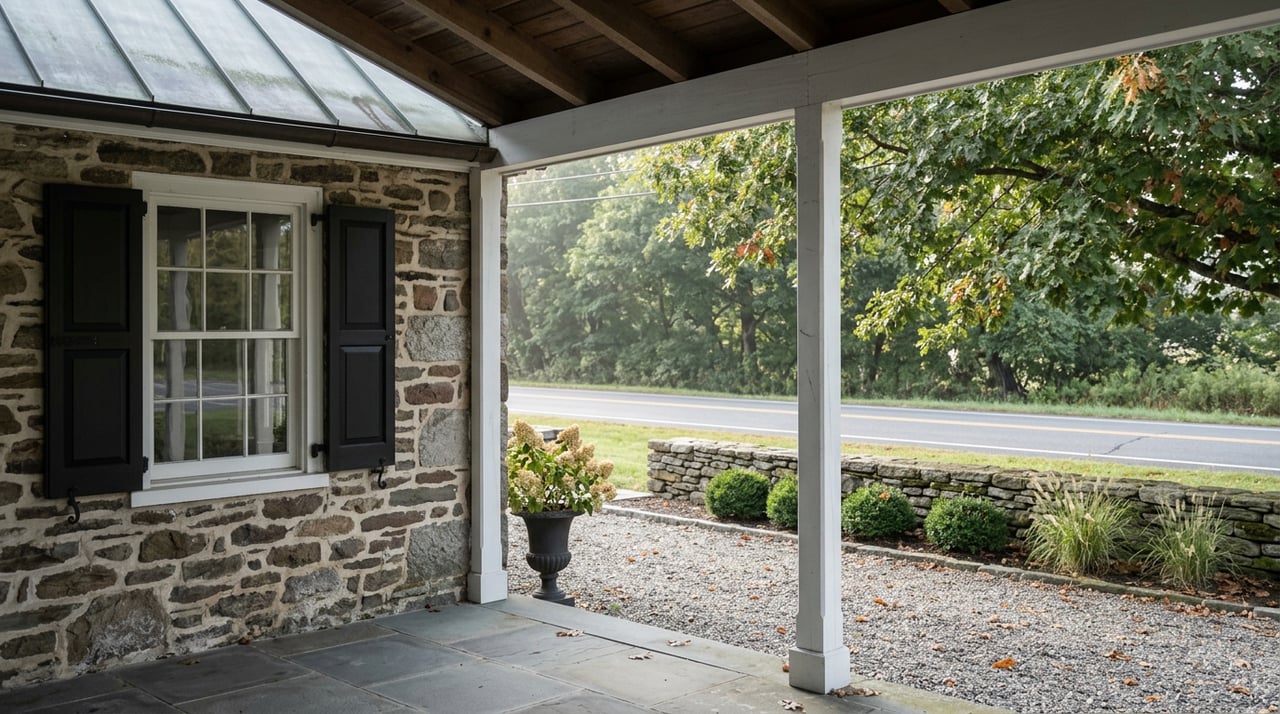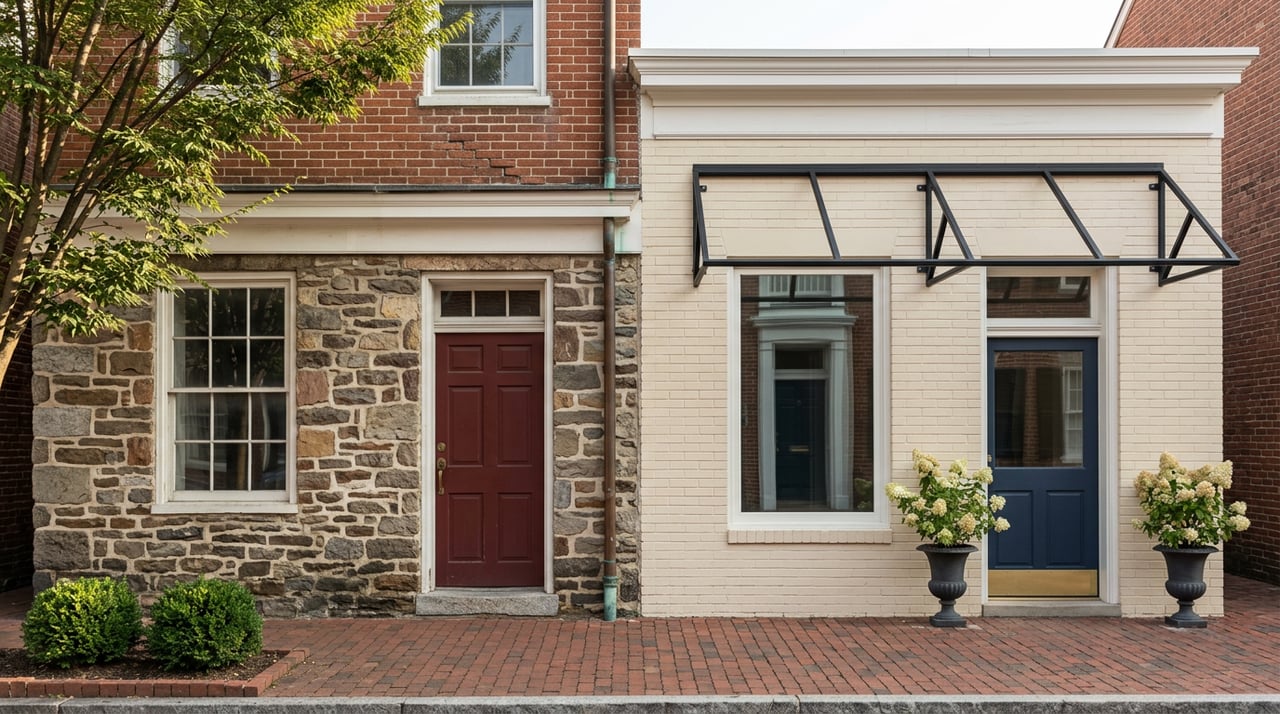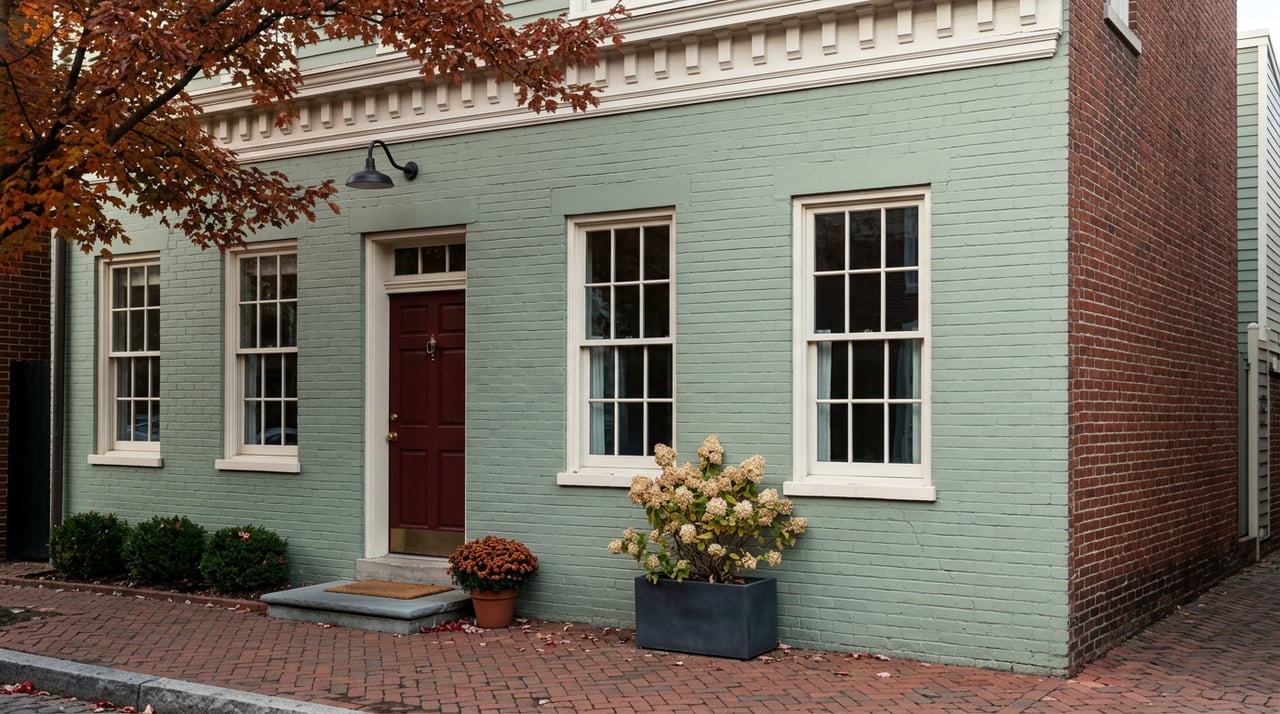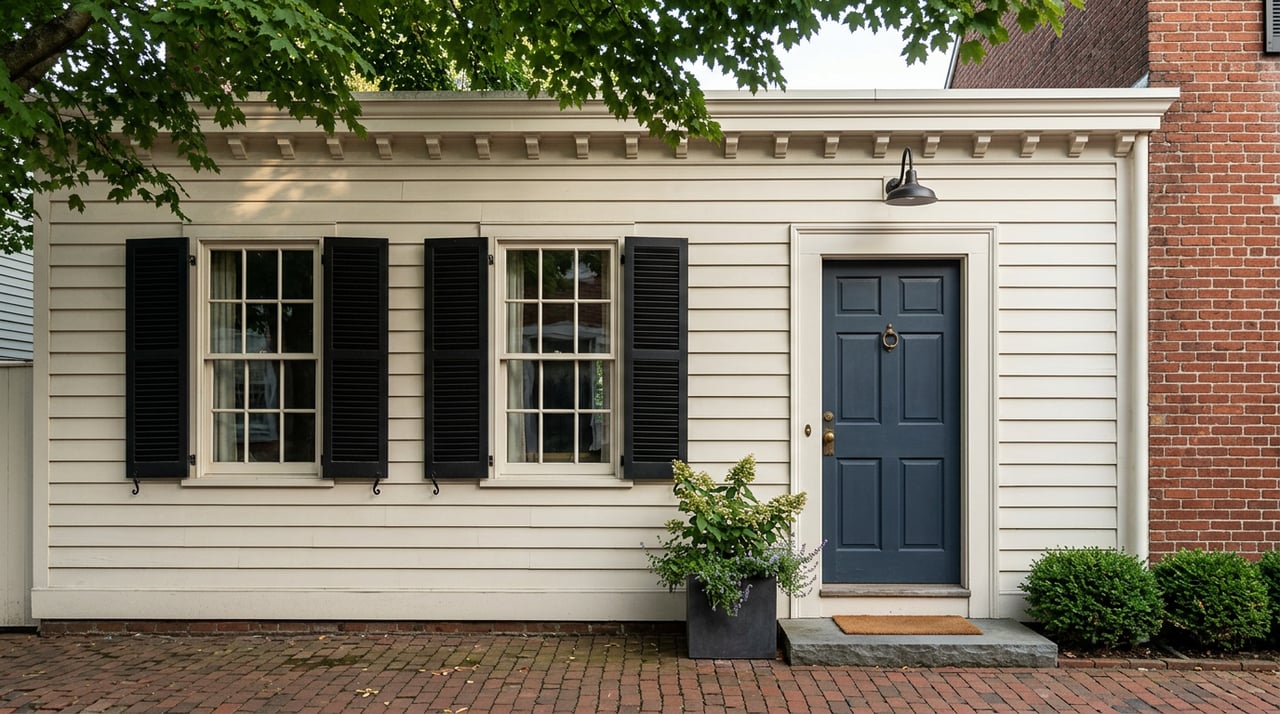
Dreaming about a weekend place that feels like a true escape, but still keeps you connected to the rest of your life? New Hope, Pennsylvania, often lands on that shortlist for good reason. If you are weighing whether a second home or retreat here makes sense, this guide will help you think through lifestyle, property type, carrying costs, and the local details that matter before you buy. Let’s dive in.
Why New Hope Appeals to Second-Home Buyers
New Hope offers a mix that is hard to ignore if you want a Delaware River retreat with energy and character. Visit Bucks County highlights the borough’s riverside setting, eclectic shopping, restaurants, and cultural attractions, along with regional access that puts it roughly an hour and some change from both New York City and Philadelphia. The borough’s comprehensive plan also notes that its growth has benefited from proximity to jobs in New Jersey, New York, and Philadelphia.
For many buyers, that means New Hope can feel like a real getaway without being inconvenient. You can enjoy a scenic, walkable destination and still keep the drive manageable for weekends, holidays, or longer stays.
There is also a clear seasonal rhythm to the area. Visit Bucks County notes that the Bucks County Playhouse production season runs from Memorial Day through Labor Day, while the New Hope Railroad operates year-round. If you picture your retreat as a place for spring weekends, summer outings, and festive holiday visits, New Hope fits that pattern well.
What the Market Snapshot Suggests
New Hope tends to sit near the higher end of the local river-town market. Zillow’s March 31, 2026 snapshot places New Hope’s average home value at $938,110, compared with $642,510 in Lambertville, $629,900 in Yardley, and $830,420 in Washington Crossing’s 18977 market. That does not tell the whole story of every home, but it does show where New Hope generally stands in the local mix.
Inventory also appears relatively limited. The same Zillow snapshot showed 14 new listings in New Hope, which suggests buyers may need to act with focus when the right property comes up. If you are shopping for a second home here, preparation matters just as much as preference.
Property Types You Can Expect
New Hope does not offer just one kind of second-home opportunity. According to the borough’s comprehensive plan, the housing stock includes single-family detached homes, twins, townhouses, and apartment-style or condominium developments. Single-family land uses dominate the borough, while attached housing is concentrated in places such as Waterworks, Waterview, New Hope Manor, Village II, and Canal Street.
That variety is useful if you are trying to match your purchase to the way you will actually use it. Some buyers want an older in-town house with charm and walkability. Others prefer a lower-maintenance attached home that makes weekend ownership simpler.
How to Match the Home to Your Lifestyle
The best second home is not always the most picturesque one. It is the property that fits how often you will visit, how much upkeep you want, and whether you want a lively in-town setting or something quieter.
A detached home may offer more privacy, outdoor space, and renovation potential. An attached home or condo-style option may be easier to manage if you plan to come and go often. If your goal is a low-stress retreat, maintenance should be part of your search from day one.
Historic District Rules Matter
If you are drawn to New Hope’s older homes, make sure you understand whether a property sits in the borough’s Historic District. The comprehensive plan states that the district is coterminous with the officially designated historic district approved by the Pennsylvania Historic and Museum Commission. Within that district, the borough regulates historically significant buildings and reviews certain exterior changes.
That can affect additions, exterior design, parking placement, signage, and some other site or building changes. Interior alterations are treated differently from exterior work, although permits may still be required. If you are hoping to personalize a second home quickly, approval timing and design constraints should be part of your decision.
Floodplain Risk Is a Core Buying Question
In New Hope, floodplain and topography are not side issues. The borough participates in the National Flood Insurance Program, has a floodplain overlay district, and regulates development within mapped flood areas. Its planning documents also note that much of the riverfront area is flood-prone and that redevelopment along the river has often required elevation or floodproofing.
That does not mean river-adjacent homes are off the table. It does mean you should review flood-zone status, insurance implications, drainage, and any history of elevation or floodproofing before you fall in love with a property. Long-term ownership costs can look very different once those factors are included.
Budget Beyond the Purchase Price
Second-home buyers sometimes focus heavily on the down payment and list price, then underestimate the rest of the cost picture. In New Hope, property taxes are set separately each year by Bucks County, New Hope Borough, and the New Hope-Solebury School District, with assessed values determined by the Bucks County Board of Assessment. In other words, carrying costs can change over time based on budgets and assessments, not just the price you pay today.
There are also transfer taxes to plan for. Pennsylvania imposes a 1% realty transfer tax at the state level, and Bucks County says the total transfer tax on property sales is 2%, with payment responsibility usually allocated by contract. That cost comes on top of inspections, title-related costs, insurance, moving or setup expenses, and your reserve funds.
Research cited in the report also notes that closing costs typically run about 2% to 5% of the home price. If you are buying a retreat, it is wise to leave room in your budget for repairs, maintenance, and unexpected ownership costs after closing.
Financing a Second Home in New Hope
Second-home financing is not identical to financing a primary residence. The research report notes that Fannie Mae treats second homes as a distinct occupancy type. The borrower must occupy the home for some portion of the year, the property must be a one-unit dwelling suitable for year-round occupancy, the borrower must have exclusive control, and it cannot be a timeshare or rental property.
The report also notes that rental income may be present if it is not used to qualify, and that reserve requirements and pricing adjustments can apply to some second-home loans. For buyers, the practical takeaway is simple: financing rules can shape your options early. Before you narrow your search, make sure the kind of property you want lines up with the kind of loan you plan to use.
Tax Planning Deserves Early Attention
A second home can raise tax questions that are easy to overlook when you are focused on the search itself. The research report notes that the IRS says mortgage interest can be deductible on a main home or second home, subject to current limits and how the property is used. It also states that for homes acquired after December 15, 2017, acquisition debt up to $750,000 can generally qualify.
That said, your outcome can depend on your broader tax picture and on how you use the property. If you are considering occasional rental use or you own multiple properties, it is smart to confirm details with a tax professional before you buy.
How New Hope Compares to Nearby Alternatives
If you like the river-town idea but are still refining the fit, nearby towns can help frame the decision. Lambertville offers a closely related cross-river experience with outdoor recreation, arts and culture, historic homes, river views, and a year-round destination feel. Yardley presents a smaller-scale canal-and-river option with downtown charm and community events.
Washington Crossing leans more toward parkland and history, with the state park offering walking paths, picnic areas, fishing, boat launching, and year-round access. Doylestown gives you a different experience entirely, with specialty shops, museums, a cultural district, and a more inland downtown setting.
A simple way to compare them is to ask yourself what kind of retreat you really want:
- Highly walkable weekend village
- Quieter canal town
- Park-and-history setting
- Fuller downtown with year-round services
Based on the official descriptions in the research report, New Hope tends to be the most lifestyle-forward and visitor-active of the group. That can be a major plus if you want energy and variety, but it may not be the best fit if your priority is a quieter, more residential atmosphere.
A Smart New Hope Search Checklist
Before you move from browsing to buying, keep these priorities front and center:
- Confirm flood-zone status, drainage, insurance needs, and any elevation or floodproofing history.
- Ask whether the property is in the historic district and what exterior work may require review.
- Decide whether your purchase needs to meet second-home loan standards for one-unit, year-round use.
- Budget for taxes, transfer tax, closing costs, reserves, insurance, and ongoing maintenance.
- Compare New Hope with Lambertville, Yardley, Washington Crossing, and Doylestown based on your actual use pattern and upkeep preferences.
Final Thoughts on Buying a Retreat Here
New Hope can be a wonderful place to own a second home if you go in with clear priorities and realistic expectations. Its appeal is easy to understand: river-town charm, culture, regional access, and a strong sense of place. But the details matter here, especially when it comes to floodplain exposure, historic-district rules, financing structure, and true carrying costs.
If you want help comparing New Hope with other Delaware River towns or narrowing your search based on lifestyle and ownership goals, Fiona Bradshaw can offer thoughtful, locally grounded guidance.
FAQs
What makes New Hope, PA attractive for a second home?
- New Hope offers a scenic Delaware River setting, shopping, restaurants, cultural attractions, and access to both Philadelphia and New York City that can work well for weekend or seasonal use.
What types of second homes can you find in New Hope?
- The borough includes single-family detached homes, twins, townhouses, and apartment-style or condominium developments, with both older in-town homes and lower-maintenance attached options.
What should buyers know about New Hope flood risk?
- Buyers should closely review flood-zone mapping, insurance costs, drainage, and any elevation or floodproofing history, especially for river-adjacent or low-lying properties.
What should buyers know about New Hope historic district rules?
- In the Historic District, certain exterior changes and additions may be subject to borough review, so renovation plans should be discussed early in the search process.
What taxes and closing costs apply to a second home in New Hope?
- Buyers should plan for local property taxes, Pennsylvania and Bucks County transfer taxes that total 2% on property sales, plus closing costs, insurance, and reserve funds.
How does New Hope compare with Lambertville, Yardley, Washington Crossing, and Doylestown?
- New Hope generally offers the most visitor-active and lifestyle-driven river-town setting, while the others may suit buyers looking for a quieter town, more park access, or a fuller inland downtown experience.