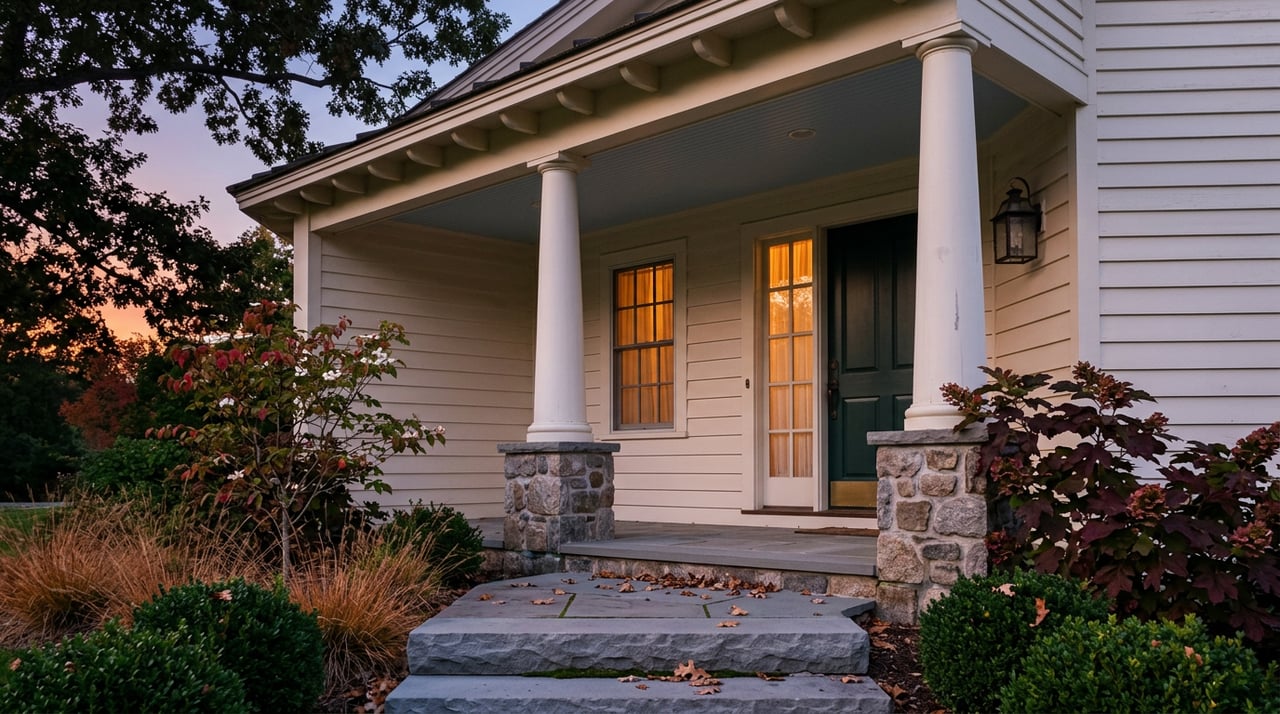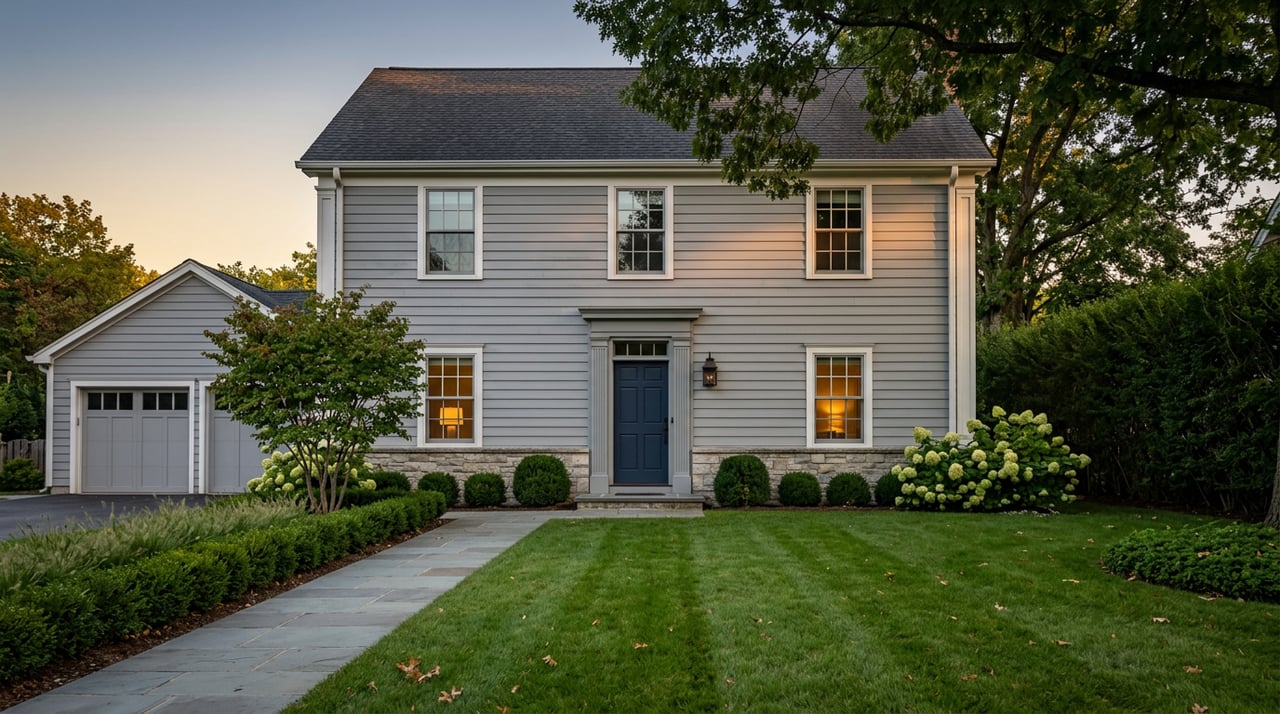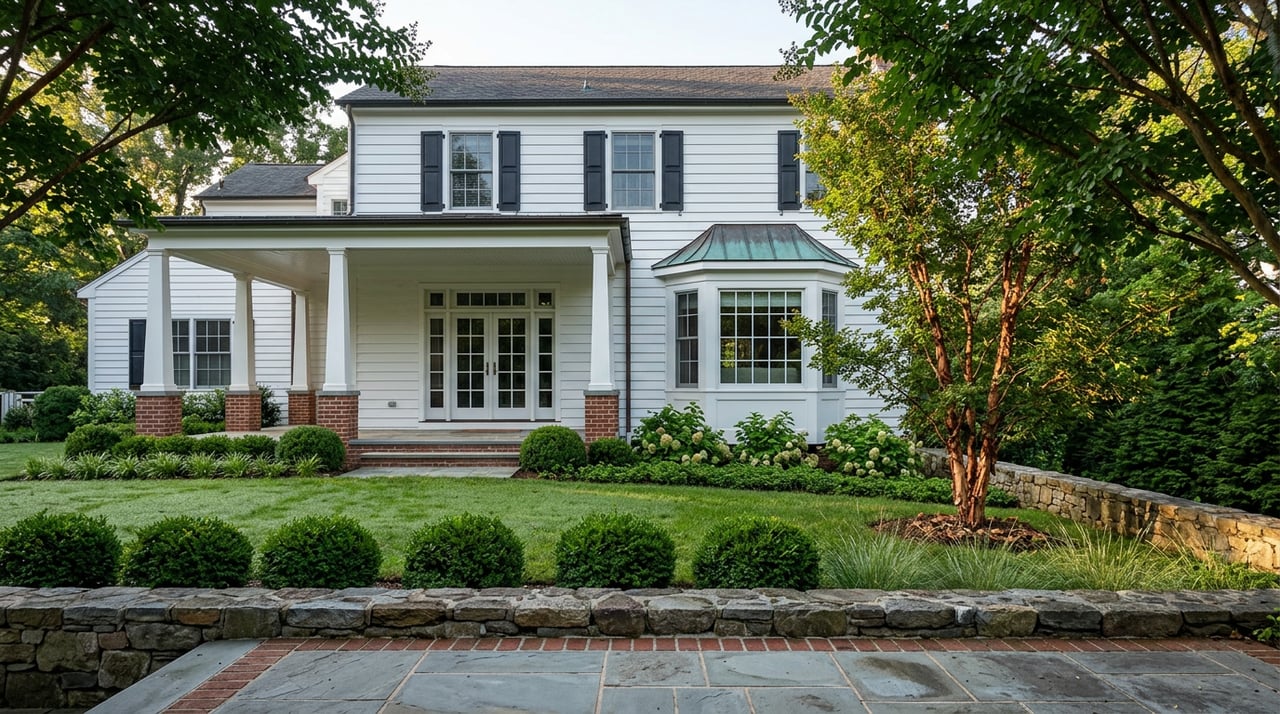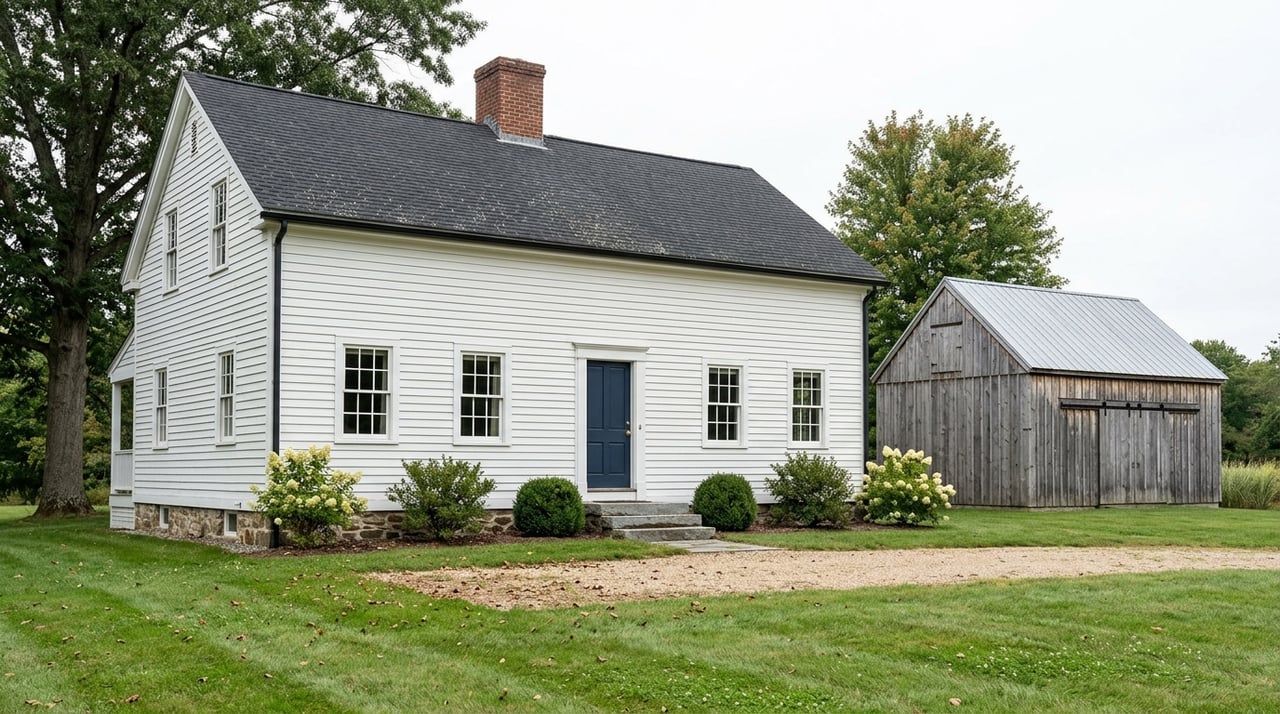
Looking for a home with land, character, and a little breathing room? In Delaware Township, farmhouse and country properties can offer exactly that, but they also come with a different set of questions than a typical suburban home. If you are considering buying or selling one of these properties, this guide will help you understand what makes this market distinctive, what to look for, and where careful due diligence matters most. Let’s dive in.
Why Delaware Township Appeals to Country-Home Buyers
Delaware Township is a natural fit for buyers who want a rural setting with lasting character. The township’s zoning framework specifically supports agricultural preservation, especially in the A-1 and A-2 zones, where planning documents have long focused on preserving farmland, woodland, and lower-density development.
That planning backdrop shapes the housing stock you see today. According to the township’s housing analysis, 89.9% of homes are 1-unit detached, 22.2% were built in 1939 or earlier, and the median home has 7.9 rooms. The same report shows 91.7% owner occupancy, which helps explain why many homes here feel more like long-term homesteads than quick-turnover properties.
For many buyers, that is the appeal. You are not just shopping for square footage. You are often looking at a property with a deeper connection to the land, a larger lot, and a setting that feels distinctly Hunterdon County.
What Farmhouse Homes Often Look Like Here
Farmhouse and country homes in this part of Hunterdon County often reflect the area’s agricultural past. The county’s historic resources profile notes that older farmsteads still exist throughout the countryside, with many historic farmhouses originally built in vernacular Georgian style.
Barns have traditionally been an essential part of those farmsteads. While many houses have been updated over time, barns often retain more of their original historic character. The county also notes that wooden barns are becoming less common as newer metal structures replace them, which can make preserved older outbuildings especially notable.
You may also see a range of architectural styles across Delaware Township and the surrounding region, including:
- Federal homes with symmetrical fronts and low-pitched roofs
- Greek Revival homes with columns and pedimented porches
- Gothic Revival homes with steep gables and pointed openings
- Italianate homes with bracketed eaves and tall windows
- Colonial Revival homes with classical detailing and balanced facades
- American Four Square homes with simple boxy forms and large dormers
That variety means “farmhouse” does not always mean one look. In Delaware Township, it can describe anything from a modest historic farmhouse to a larger country property with multiple outbuildings and more modern updates.
Historic Setting Adds to the Appeal
Part of Delaware Township’s charm comes from its historic landscape. The township’s Historic Advisory Committee identifies multiple National Register resources in the area, including the Covered Bridge Historic District, the Delaware and Raritan Canal Historic District, the Headquarters Historic District, the Raven Rock Historic District, the Rosemont Rural Agricultural District, the Sand Brook Historic District, and the Sergeantsville Historic District.
For buyers, that can mean a stronger sense of place and a more established rural setting. For sellers, it can be a reminder that the value of a property often includes more than the house itself. Setting, historic context, and how the property fits into the broader landscape can all shape buyer interest.
Land and Outbuildings Matter Here
One reason country-home buyers are drawn to Delaware Township is the potential for accessory structures and flexible outdoor use. In the A-1 zone, the township allows accessory buildings related to agricultural and residential use, including private garages, fences, hedges, swimming pools, tennis courts, home occupations, animal housing, and storage of farm products and equipment.
That said, allowance does not mean unlimited freedom. The township regulates size, placement, and setbacks for detached accessory buildings, and the details matter. For example, detached residential accessory buildings are generally capped at 900 square feet of ground-floor area unless they are for agricultural use, and larger structures require wider side and rear setbacks.
If you are buying with plans for a barn, workshop, detached garage, or livestock structure, it is important to review the code and confirm what the specific parcel can support. Country properties often offer more possibilities than a standard neighborhood lot, but they also come with more rules than buyers expect.
Wells and Septic Are a Core Part of Due Diligence
In Hunterdon County, private wells and on-site septic systems are common, and they should be part of your first round of questions. The county’s homeowner guidance recommends annual bacteria testing for private wells, along with nitrate, arsenic, and VOC testing every five years.
The same guidance recommends septic pumping every three years and cautions homeowners not to overload disposal fields, park over septic areas, or plant trees and shrubs too close to the field. These are not small maintenance details. They are central systems that affect daily living, ongoing costs, and long-term property care.
For resale transactions, New Jersey’s Private Well Testing Act is especially important. According to NJDEP, many property transfers involving private wells require testing, and closing cannot occur until both the buyer and seller have received and reviewed the results.
If you are a buyer, this means you should treat well and septic review as a major part of the process, not a last-minute checkbox. If you are a seller, planning ahead can help you avoid delays and set more accurate expectations.
Soils, Floodplain, and Site Conditions Can Affect Plans
Country properties often involve more site-related review than buyers expect. Delaware Township’s construction guidance states that if a property has a well or septic and also needs zoning approval, a Hunterdon County Health Department Construction Referral is required.
The township also notes that any new single-family dwelling, or any addition or structure disturbing more than 5,000 square feet, requires Hunterdon County Soil approval. In some areas, properties may also need review by the Canal Commission.
Floodplain and drainage conditions also matter. The township code ties floodplain review to current FEMA maps and requires documentation related to erosion, grading, and runoff for development. In practical terms, features like long driveways, patios, additions, and new outbuildings may trigger more planning work than you would see on a smaller in-town lot.
Living Near Active Farms
For many buyers, nearby farmland is part of the dream. Open views, working landscapes, and a rural setting are often exactly what make Delaware Township attractive. Still, it is important to understand what farm adjacency can mean in daily life.
The township’s right-to-farm language states that qualifying farms may operate at any time of day or night and may create odors, noise, dust, and fumes consistent with farming practices. The township also requires deed notices for new lots in A-1 and A-2 zones acknowledging nearby farm uses.
This does not make farm-adjacent living a negative. It simply means you should go in with clear expectations. If you value a true country setting, understanding this framework can help you choose the right property with confidence.
Can Older Outbuildings Be Converted?
This is one of the most common questions buyers ask. In Delaware Township, some adaptive reuse is possible, but it is carefully regulated.
The township allows conversion of certain existing accessory buildings into dwelling units as a conditional use in residential zones to help preserve the rural atmosphere. However, the building must have existed by January 1, 1982, the conversion cannot involve major demolition or reconstruction, and the finished structure must preserve the original appearance while meeting health and building standards.
That means an older barn or carriage-house-style outbuilding may have potential, but only under specific conditions. If conversion is part of your vision, it is worth investigating early so your plans match what the property and local rules actually allow.
What Ownership Really Looks Like
Country-home ownership can be deeply rewarding, but it is hands-on in ways some buyers underestimate. Beyond the house itself, you may be caring for grading, roof runoff, drainage, private water systems, septic infrastructure, and larger outdoor areas.
Hunterdon County also notes that private water may include naturally occurring issues such as hardness, iron, manganese, arsenic, sulfur, or radon-related concerns that sometimes require treatment. The county recommends professional installation and maintenance for treatment systems.
That does not mean these homes are difficult to own. It means they reward buyers who appreciate the setting and are prepared for the responsibilities that come with it. In many cases, the tradeoff is more privacy, more land, and a property with a strong sense of place.
What Buyers and Sellers Should Keep in Mind
If you are buying a farmhouse or country home in Delaware Township, focus on the full property, not just the house. Review zoning, well and septic information, outbuilding rules, drainage, and the property’s relationship to nearby farmland before you get too far into the process.
If you are selling, remember that buyers often need help understanding what makes your property valuable and how to evaluate it correctly. Features like a historic setting, preserved outbuildings, usable land, and rural zoning context can be compelling, but they need clear, accurate presentation.
That is where local guidance matters. A farmhouse or country property is rarely a one-size-fits-all sale, and thoughtful positioning can make a real difference.
If you are thinking about buying or selling a farmhouse or country home in Delaware Township, Fiona Bradshaw offers local guidance, thoughtful advice, and a high-touch approach to help you move forward with clarity.
FAQs
What makes Delaware Township attractive for farmhouse buyers?
- Delaware Township appeals to farmhouse buyers because its zoning emphasizes agricultural preservation, most housing is detached, and the area includes many older homes and historic rural districts.
What kinds of architectural styles appear in Delaware Township country homes?
- Country homes in Delaware Township and the surrounding area may include vernacular Georgian, Federal, Greek Revival, Gothic Revival, Italianate, Colonial Revival, and American Four Square styles.
Do Delaware Township farmhouse properties usually have private wells and septic systems?
- Many do, and buyers should treat well testing, septic condition, and ongoing maintenance as major parts of the purchase process.
Does New Jersey require well testing for Delaware Township home sales?
- Yes, many private-well property transfers are subject to the Private Well Testing Act, and both buyer and seller must receive and review the results before closing can occur.
Can you build a barn or detached garage on a Delaware Township country property?
- Possibly, but it depends on the zoning district, lot conditions, setbacks, structure size, and whether the use is agricultural or residential.
Can an old barn be converted into living space in Delaware Township?
- Sometimes, because the township allows certain existing accessory buildings to be converted into dwelling units as a conditional use if they meet specific age, design, and approval standards.
How does farm adjacency affect daily life in Delaware Township?
- Nearby qualifying farms may legally create noise, dust, odors, and other impacts associated with normal farming practices, so buyers should understand those conditions before purchasing.
What site issues matter most for Delaware Township country homes?
- Key site issues include wells, septic systems, soils, drainage, floodplain review, grading, runoff, and any approvals tied to new construction or accessory structures.