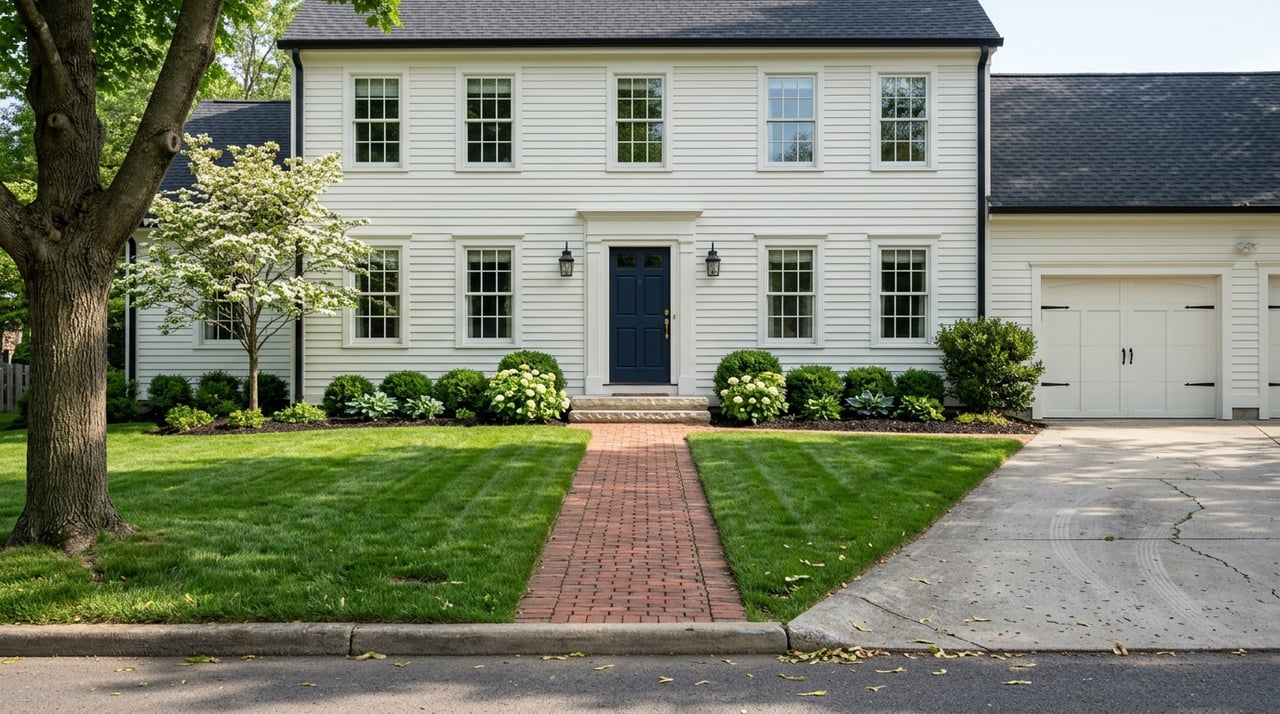
Torn between a house with original details and one with brand-new systems? In Newtown, that choice is especially meaningful because the area offers both a well-documented historic setting and the appeal of newer homes with more modern layouts. If you are weighing charm against convenience, this guide will help you compare the tradeoffs, ask smarter questions, and focus on what matters most for your budget and lifestyle. Let’s dive in.
Why Newtown makes this choice real
Newtown Borough and Newtown Township have deep roots in Bucks County history. The township notes that Newtown served as the county seat from 1726 to 1813, and the borough was incorporated in 1838. That history still shapes what buyers see today, especially in and around the recognized historic district.
This is not just a matter of style preference. Newtown’s historic character is formally acknowledged through local review bodies, including the Joint Historic Commission and HARB, which review certain exterior changes in historic areas. At the same time, the local market remains premium-priced, with Realtor.com reporting a median home sale price of $1,324,500 and 63 homes for sale in current data.
Historic homes in Newtown
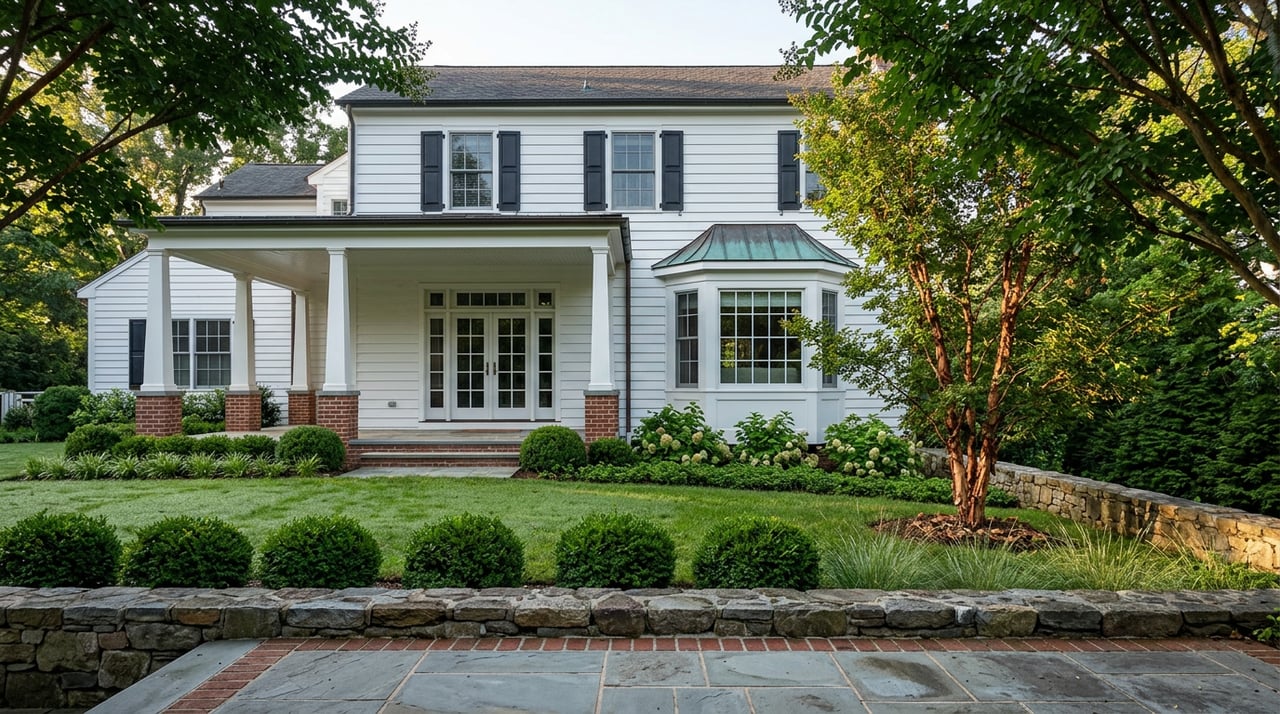
If you picture Newtown charm, you are likely thinking of the older homes tied to the Newtown Historic District. National Register materials identify architectural styles such as Greek Revival, Italianate, and Gothic Revival, which help define the area’s older housing stock. For many buyers, that visual character is the main draw.
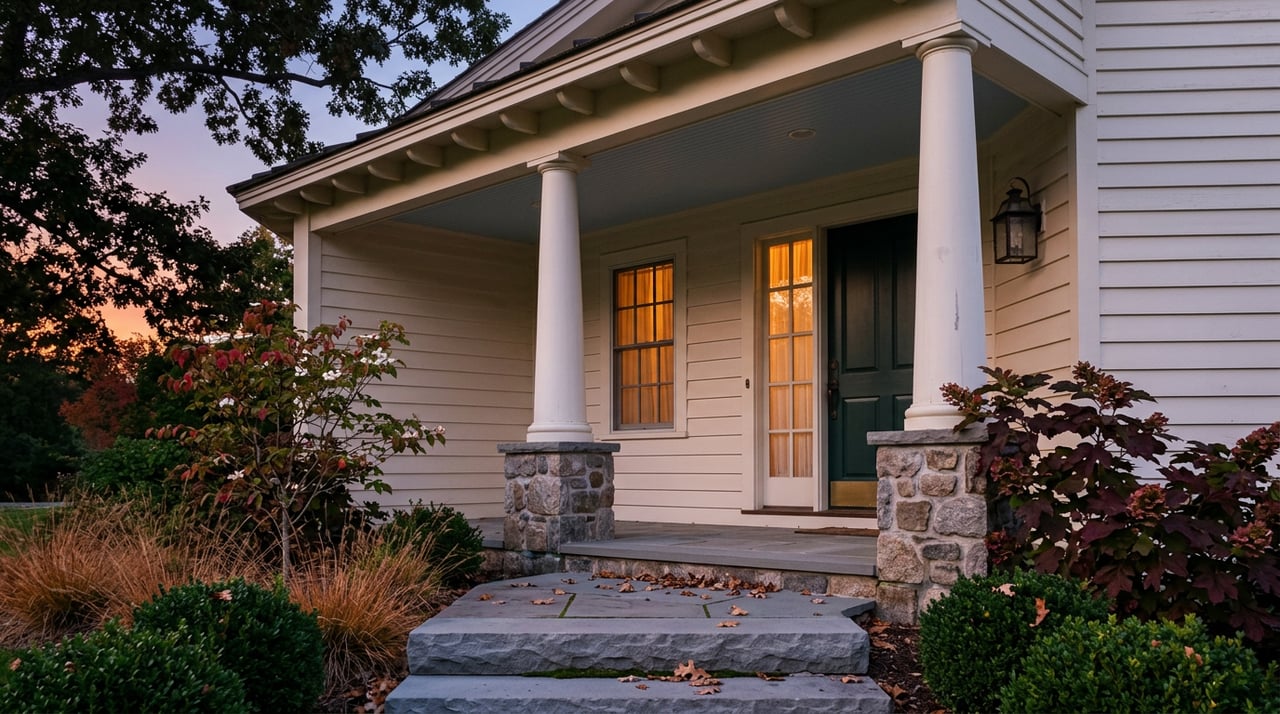
Historic homes often offer a sense of place that is hard to recreate. You may find original proportions, older materials, and streetscapes that reflect Newtown’s long history. If that kind of setting matters to you, an older home can feel far more distinctive than a newly built property.
What buyers love about historic homes
Historic homes usually appeal to buyers who care about architectural character and an established setting. In Newtown, that can mean preserved facades, traditional design details, and a town-center feel that has developed over generations. These qualities are often what people mean when they say a home has “charm.”
You may also appreciate the stewardship aspect. Owning a historic property can feel like owning a piece of local history, especially in a market where preservation is taken seriously. For the right buyer, that is part of the value, not just a maintenance concern.
What to watch for in an older home
Charm comes with responsibilities. The U.S. Department of Energy notes that many older homes have less insulation than homes built today, which can affect both comfort and utility costs depending on how well the property has been updated.
You should also pay close attention to age-related systems and materials. In a historic or older resale, buyers should ask which parts of the home are original and which have been replaced, including the roof, windows, HVAC, electrical, plumbing, and insulation. Those answers can shape both your short-term budget and your long-term ownership experience.
For homes built before 1978, lead-based paint is another important due-diligence item. The EPA says these homes are more likely to contain lead-based paint and recommends certified inspection or risk assessment for testing, with lead-safe practices required for certain renovation work.
Radon testing also matters in this region. Pennsylvania DEP says radon is a serious health hazard, and roughly 40% of Pennsylvania homes tested are above the EPA action level of 4 pCi/L. In practical terms, that makes radon testing a routine and important part of the inspection process in Newtown.
Historic-district review and permits
If a home is located within a local historic district, exterior work may involve more review than you expect. Newtown’s HARB reviews exterior changes in the township’s historic district, and the Joint Historic Commission handles certain demolition-related review requests. Local planning documents also note that historic-district rules can add cost and complexity to renovations and repairs.
That does not mean you should avoid historic homes. It means you should understand the rules before you buy. Even exterior maintenance items or updates you consider simple may require permits or review, depending on the property and the work involved.
New construction in Newtown
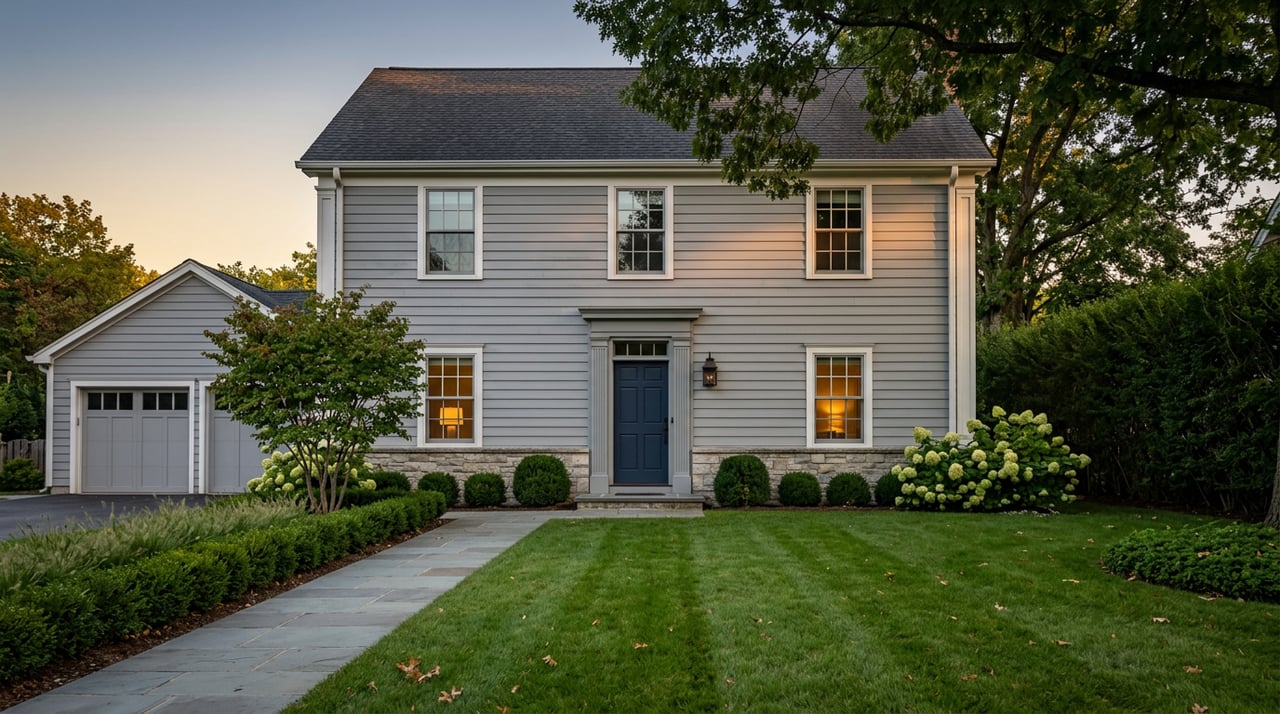
If your top priorities are efficiency, predictability, and modern design, new construction may be the better fit. Compared with many older homes, new homes usually begin with newer insulation and stronger baseline energy performance. That can translate to more consistent comfort and fewer immediate upgrade projects.
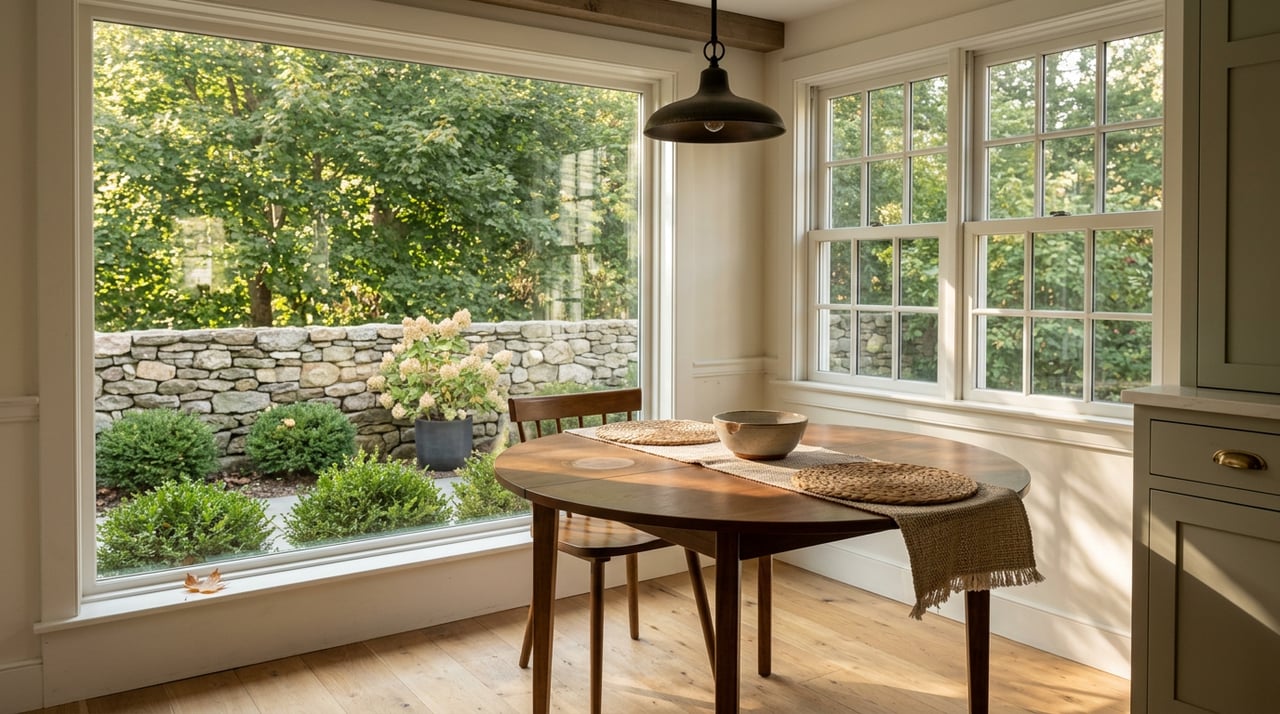
New homes also tend to match how many buyers live today. You may prefer open layouts, newer mechanical systems, and less near-term maintenance. For move-up buyers or relocators who want a smoother start, that can be a major advantage.
What buyers like about new homes
One of the biggest benefits of new construction is the condition of the systems. Instead of inheriting years of deferred maintenance or wondering when major components were last updated, you are typically starting from a cleaner slate. That can make your first few years of ownership feel more predictable.
Energy performance is another plus. The Department of Energy says certified new homes are built to rigorous standards for energy savings, comfort, health, and durability, with third-party verification. Even when a home is not part of that exact certification path, newer construction usually benefits from more current building practices than much older housing.
What buyers still need to verify
A new home should never mean “skip the homework.” In Newtown Township, residential use-and-occupancy is required for new construction, though not for a residential resale. That makes completion paperwork, final approvals, and inspection records especially important when you are buying a newly built home.
You should also look beyond finishes and staging. The township’s Codes Department administers building, electrical, plumbing, mechanical, floodplain, and stormwater standards, so buyers should pay close attention to grading, drainage, and site-related approvals. A beautiful interior does not tell you everything about how the lot handles water.
It is also wise to hire your own inspector. Municipal inspections focus on code compliance, but they are not the same as a buyer’s full due-diligence review. An independent inspection can help you understand workmanship, incomplete items, and questions to raise before closing.
Historic vs. new: how to decide
The best choice usually comes down to how you want to live and what type of ownership experience feels right to you. In Newtown, historic homes often suit buyers who value character and are comfortable with more maintenance and permit complexity. New construction tends to suit buyers who prioritize modern systems, efficiency, and lower near-term upkeep.
Neither option is automatically better. The right fit depends on your tolerance for projects, your renovation budget, and how much you value architectural detail versus convenience. When buyers are clear on those priorities early, the home search becomes much easier.
Questions to ask before you buy
Whether you lean historic or new, the right questions can protect your time and money.
Questions for historic homes
- Is the property inside a local historic district?
- What exterior work requires HARB or historic-commission review?
- For a pre-1978 home, what lead disclosures, reports, or test results are available?
- Has the home been tested for radon?
- Which major systems are original, and which have been replaced?
- Are there any permits on file for prior exterior changes or renovations?
Questions for new construction
- What permits, inspections, and use-and-occupancy approvals are complete?
- What items are still open or pending before closing?
- What is the builder’s punch-list process?
- What grading or drainage work was completed for the site?
- What warranties or post-closing service commitments come with the home?
- Will your inspector be able to review the property before settlement?
Why local guidance matters in Newtown
In a market like Newtown, details matter. Historic review, permits, due diligence, and resale positioning can all look different depending on the property. A home with original character may need a very different evaluation than a brand-new build, even if both are priced in the same range.
That is where experienced, local, hands-on guidance can make a real difference. If you are comparing an older home with renovation potential against a newer property with modern systems, you want advice that goes beyond surface-level features. You want a clear-eyed view of cost, approvals, upkeep, and long-term value.
If you are deciding between historic charm and new construction in Newtown, working with a trusted advisor can help you sort through the tradeoffs and move forward with confidence. To talk through your options, schedule a free consultation with Fiona Bradshaw.
FAQs
Should buyers expect more maintenance with historic homes in Newtown?
- Yes. Older homes often have aging systems, less insulation, and more renovation complexity, especially if exterior work is subject to local historic review.
Do new construction homes in Newtown still need inspections?
- Yes. Municipal inspections focus on code compliance, but buyers should still hire an independent inspector for a broader review.
Are radon tests important for homes in Newtown, Pennsylvania?
- Yes. Pennsylvania DEP says radon is a serious health hazard, and about 40% of Pennsylvania homes tested are above the action level referenced in the report.
Can exterior changes on historic homes in Newtown require approval?
- Yes. In certain historic areas, exterior changes may require review by local bodies such as HARB or the Joint Historic Commission.
Is new construction in Newtown easier than buying an older resale home?
- It can be easier in some ways because systems are newer, but buyers still need to verify permits, inspections, use-and-occupancy approvals, grading, drainage, and punch-list items.