Wondering how to get an East Amwell farmhouse or country home ready for the market without losing the character that makes it special? If you own a rural property, you are not just selling square footage. You are selling a house, land, systems, outbuildings, and a lifestyle setting that buyers need to understand quickly and clearly. This guide will show you how to prepare your property in a way that highlights charm, reduces uncertainty, and helps your listing make a strong first impression. Let’s dive in.
Why East Amwell prep is different
East Amwell is a rural township where detached, owner-occupied homes make up the vast majority of the housing stock. Census-based data shows 97% of housing structures are single-unit homes, and 83% of homes are owner-occupied. That means many buyers looking here expect privacy, land, and a property with more moving parts than a typical suburban sale.
The land matters here just as much as the house. East Amwell’s 2025 Farmland Preservation Plan says 46% of the township’s land has been preserved, and Hunterdon County’s preserved-farms inventory lists 4,981 preserved acres in the township. If your property includes acreage, farm-assessed land, or nearby working farms, buyers will likely weigh those features heavily in their decision.
Private systems also shape the prep process. East Amwell has no public water supply service areas or sewer services, so well and septic history can become a major part of your home’s value story. When buyers see a rural home, they often want reassurance that the basics are documented and understandable.
Start with clarity, not costly overhauls
You do not need to “flip” a farmhouse to make it market-ready. In most cases, the best return comes from making the property feel clean, cared for, and easy to understand. That means reducing visual clutter, addressing obvious deferred maintenance, and organizing the paperwork that answers buyer questions before they ask.
National staging guidance supports this approach. In NAR’s 2025 staging report, 91% of sellers’ agents recommended decluttering, 88% recommended cleaning, and 77% recommended improving curb appeal. The same report found that staging often helped reduce time on market, and some agents reported a 1% to 10% increase in the dollar value offered.
For East Amwell sellers, the goal is simple: preserve the charm while removing uncertainty. A buyer can love wide-plank floors, a porch, and a barn, but hesitation starts when the well records are missing or the grounds feel hard to interpret.
Focus on the repairs buyers notice first
Before you spend money on major upgrades, take care of the issues that signal neglect. Buyers tend to react quickly to small visible problems, especially in older homes where they may already expect some maintenance ahead.
Prioritize items like these:
- Deep cleaning throughout the house
- Decluttering rooms, porches, and storage areas
- Touching up trim and paint where needed
- Repairing torn screens or damaged hardware
- Washing windows
- Fixing gates, latches, and loose railings
- Clearing debris from the yard and driveway edges
- Making sure lighting works inside and out
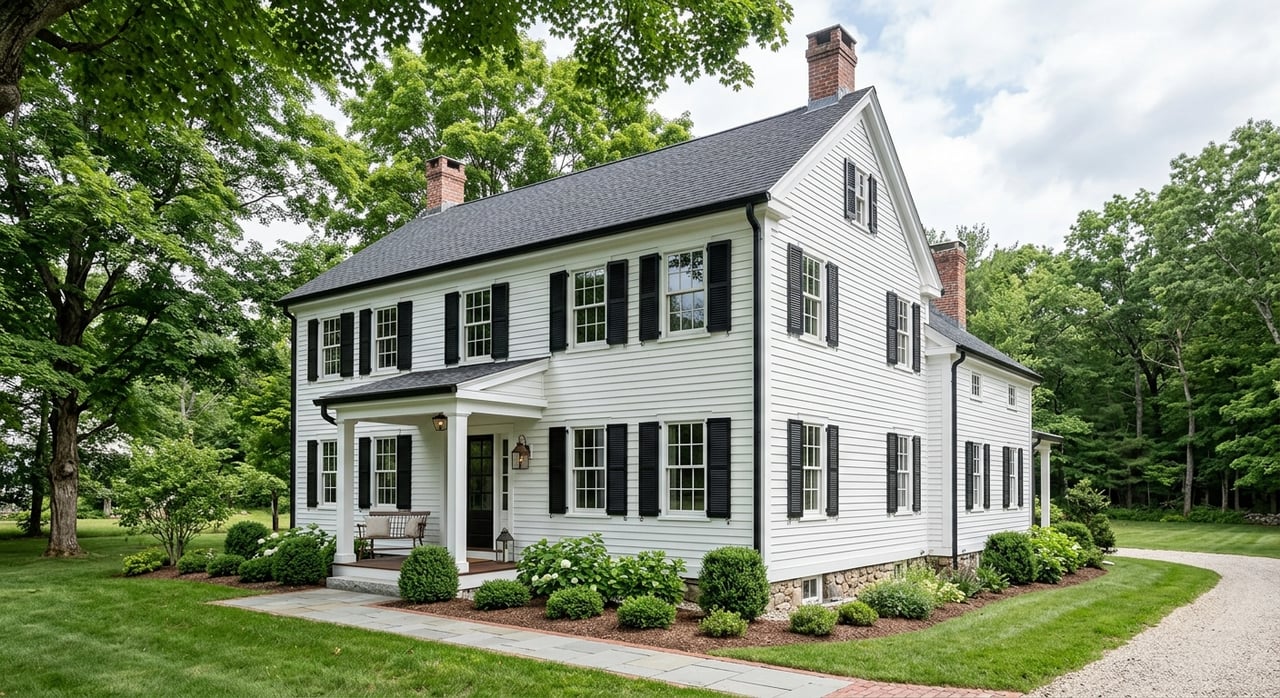
If your home has historic details, keep them. Clean, repair, and simplify rather than strip away original character. For many East Amwell buyers, authenticity is part of the appeal.
Get well and septic records together
Because East Amwell does not have public water or sewer service areas, your private systems deserve early attention. The township regulates well and septic matters, and local rules note that new or altered wells must be approved and tested before use. The Board of Health handles well installation, abandoned wells, septic system abandonment, and perc tests.
Before listing, gather any records you have for:
- Well permits
- Water test results
- Septic permits
- Septic service and maintenance records
- Perc test documentation
- Records of abandoned wells or system changes
This step can make a real difference. A well-organized file helps buyers feel more confident about a rural property and can reduce delays once you are under contract.
Check required sale compliance early
New Jersey requires a smoke-alarm compliance certificate before the sale or change of occupancy of a one- or two-family home. The New Jersey Department of Community Affairs says older homes built before January 1, 1977 must have 10-year sealed-battery smoke alarms in place before sale. The certificate is obtained through the municipality and is valid for six months.
Do not leave this until the last minute. If your home is older, which many East Amwell farmhouses are, it is smart to confirm what is installed now and what may need to be updated before closing.
Understand historic-district rules
If your farmhouse is older, there may be another layer to review. A 2025 East Amwell ordinance created local historic districts that overlay National Register districts and include structures built before 1941. The ordinance identifies areas such as Ringoes, New Market/Linvale-Snydertown, Dawlis Mill/Spring Mill, Reaville, Wertsville, Highfields, and Clover Hill.
That matters because exterior changes within a district can trigger review, while ordinary interior maintenance and repairs generally do not. If you are planning exterior updates before listing, it is wise to confirm whether your property falls within one of these areas and whether the work needs review.
Prepare the land like it is part of the showing
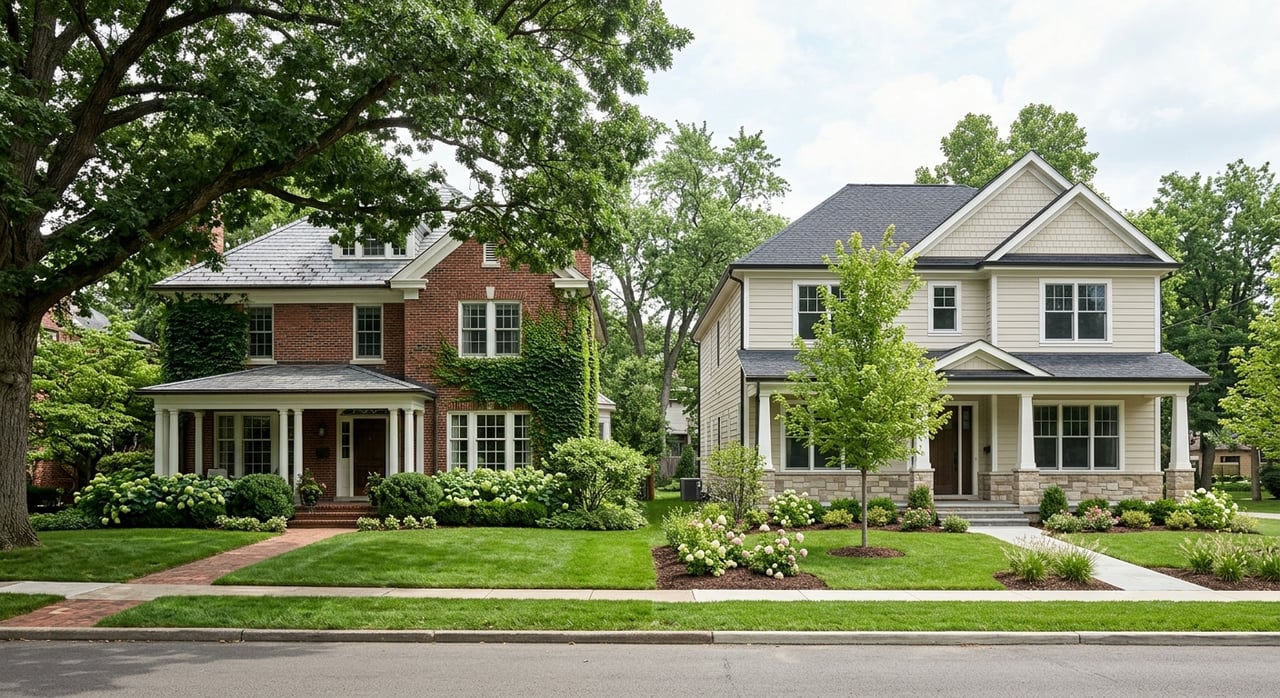
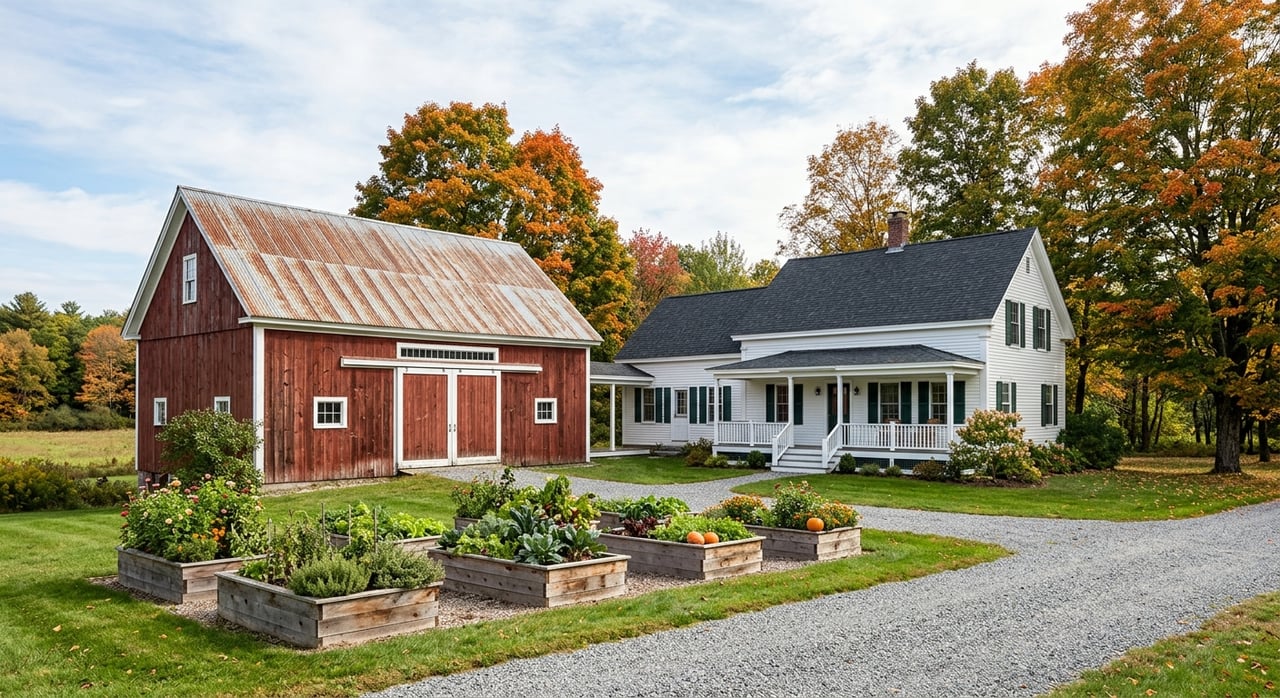
In East Amwell, buyers often make judgments before they even step inside. The driveway approach, tree lines, open views, fence lines, and placement of outbuildings all help shape how the property feels. A country home that seems orderly and usable usually shows better than one that feels vague or overgrown.
Start with basic exterior preparation:
- Mow and edge the lawn and field edges near the house
- Clear brush, fallen branches, and visible debris
- Define parking and turnaround areas
- Store tractors, trailers, and equipment neatly
- Tidy barns, sheds, and run-in structures
- Make paths, gates, and fence lines look intentional
You want buyers to understand how the property functions. Even if the acreage is modest, clean presentation helps them picture the site as manageable and useful.
Stage key rooms and outdoor spaces
Staging does not have to be expensive to be effective. NAR describes staging as cleaning, decluttering, repairing, depersonalizing, and updating. It also notes that the rooms buyers care about most are the living room, primary bedroom, and kitchen.
For a farmhouse or country home, targeted micro-staging often works well. You can focus on the spaces that shape emotional first impressions, while keeping the home true to its style.
Best rooms to stage first
Concentrate on:
- The kitchen
- The living room
- The primary bedroom
- The front porch or main entry
A simple porch setup, bright main rooms, and fewer personal items can make an older home feel fresh without making it feel generic. If your home has original trim, old beams, or a traditional stair hall, let those features stand out by keeping nearby surfaces clear.
Market the property as house plus land
A rural listing needs a different story than a standard subdivision home. Buyers are not only asking, “How many bedrooms?” They are also asking how the house sits on the land, where the outbuildings are, how much privacy there is, and what parts of the site may be preserved, farm-assessed, or restricted.
If your property includes preserved land, farm-assessment acreage, or conservation restrictions, present those details clearly and accurately. East Amwell has many preserved and farm-assessed parcels, so these facts can be central to how buyers value a property. The key is clarity, not overstatement.
A helpful marketing package may include:
- A clear summary of acreage and site features
- A simple explanation of outbuildings and their uses
- Available surveys or floorplans
- Notes on preserved land or restrictions, if applicable
- Straightforward system history for well and septic
Use photography that explains the setting
Professional visual marketing matters for any listing, but it is especially important for country homes. NAR’s 2025 staging report found that buyers’ agents rated photos as highly important, followed by videos and virtual tours. Another NAR article recommends showing as much visual information as possible, including outdoor images and drone views.
For East Amwell, that means your listing media should tell a land story, not just a room-by-room story. Wide exterior shots, carefully framed approach photos, and drone images can help buyers understand the relationship between the house, driveway, barn, and acreage.
What your listing media should show
Try to capture:
- The approach to the home
- Front and rear exterior views
- Porch and outdoor seating areas
- Key interior rooms with natural light
- Barns, sheds, garages, or other outbuildings
- Open land, pasture edges, or preserved views
- The layout of house and structures on the site
This is especially helpful for relocation or out-of-area buyers, who may rely on digital presentation to decide whether the property is worth an in-person visit.
Set expectations about nearby farm activity
East Amwell’s Right to Farm ordinance is another important part of the local context. It tells buyers to expect nearby farm uses and states that compliant agricultural activity is not a nuisance. The ordinance also includes deed-notice language warning that nearby farm use may create noise, odors, dust, and fumes.
If your property is near working farmland or preserved acreage, that should be part of the conversation early. Clear expectation-setting helps attract buyers who appreciate the area and reduces surprises later in the process.
Work from a prep plan, not guesswork
Selling a farmhouse or country property usually goes more smoothly when you prepare in a deliberate order. Instead of jumping into cosmetic projects first, start with the items that improve trust, then move into appearance and presentation.
A smart East Amwell prep sequence often looks like this:
- Gather well, septic, permit, and land-related records.
- Confirm smoke-alarm compliance needs and timing.
- Check whether historic-district rules affect exterior work.
- Repair visible defects and handle deferred maintenance.
- Clean, declutter, and depersonalize key rooms.
- Tidy the land, driveway, and outbuildings.
- Build a marketing package with strong visuals and clear property details.
This approach helps your home feel both appealing and understandable, which is exactly what many buyers want in a rural property.
If you are getting ready to sell in East Amwell, thoughtful prep can protect your home’s character while making the next steps easier for buyers. That balance often leads to stronger interest, better confidence, and a smoother path from listing to closing. When you are ready for a consultative plan tailored to your property, Fiona Bradshaw can help you prepare, position, and market your home with care.
FAQs
What should you fix before selling a farmhouse in East Amwell?
- Start with visible issues like cleaning, decluttering, touch-up paint, broken screens, loose hardware, lighting, and exterior cleanup, then organize well and septic records before listing.
What documents matter for a country home sale in East Amwell?
- The most helpful records often include well permits, water test results, septic permits, septic service history, perc test records, surveys, and any documentation related to preserved land or farm assessment.
Do East Amwell sellers need a smoke alarm certificate before closing?
- Yes. New Jersey requires a smoke-alarm compliance certificate for one- and two-family homes before sale or change of occupancy, and the certificate is obtained through the municipality.
Do historic-district rules affect farmhouse updates in East Amwell?
- They can. East Amwell’s 2025 ordinance says exterior changes within local historic districts may trigger review, while ordinary interior maintenance and repairs generally do not.
How should you market acreage and outbuildings in East Amwell?
- Present them clearly with tidy exterior prep, strong professional photos, wide site views, and accurate information about boundaries, outbuildings, preserved land, and site layout.
What should buyers know about farm activity near East Amwell homes?
- East Amwell’s Right to Farm ordinance says compliant agricultural activity is not a nuisance, so nearby working farms may involve normal noise, odors, dust, and similar activity.