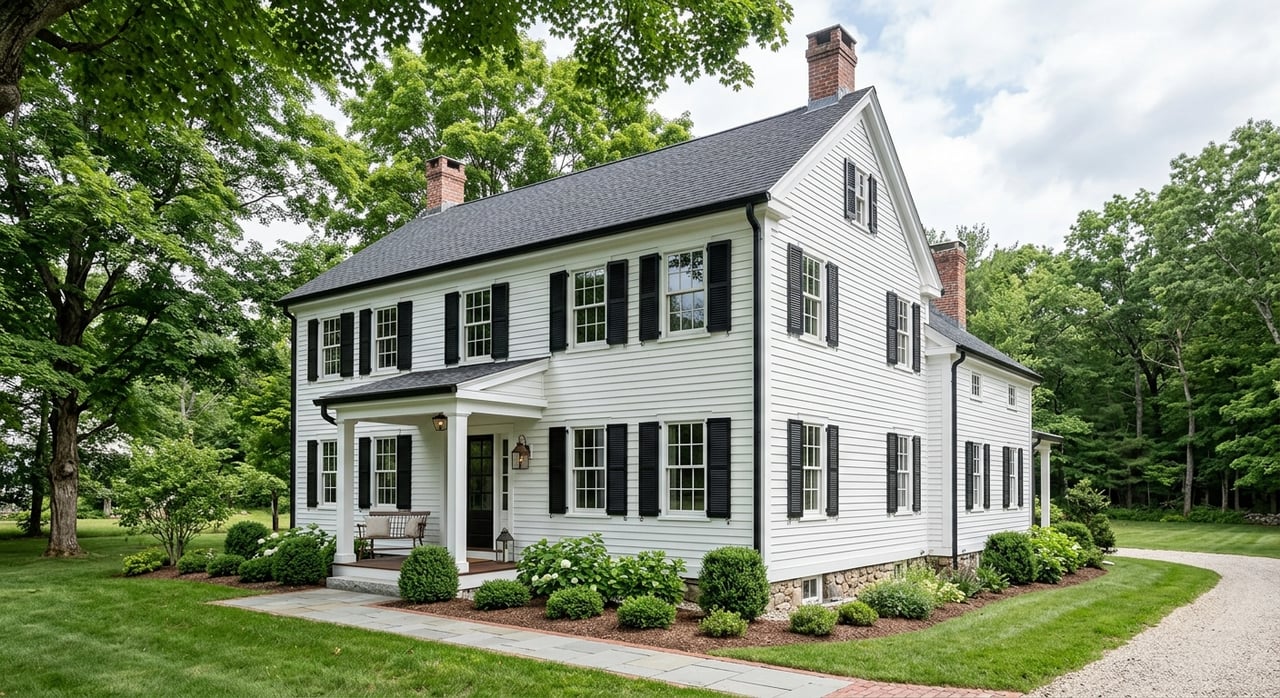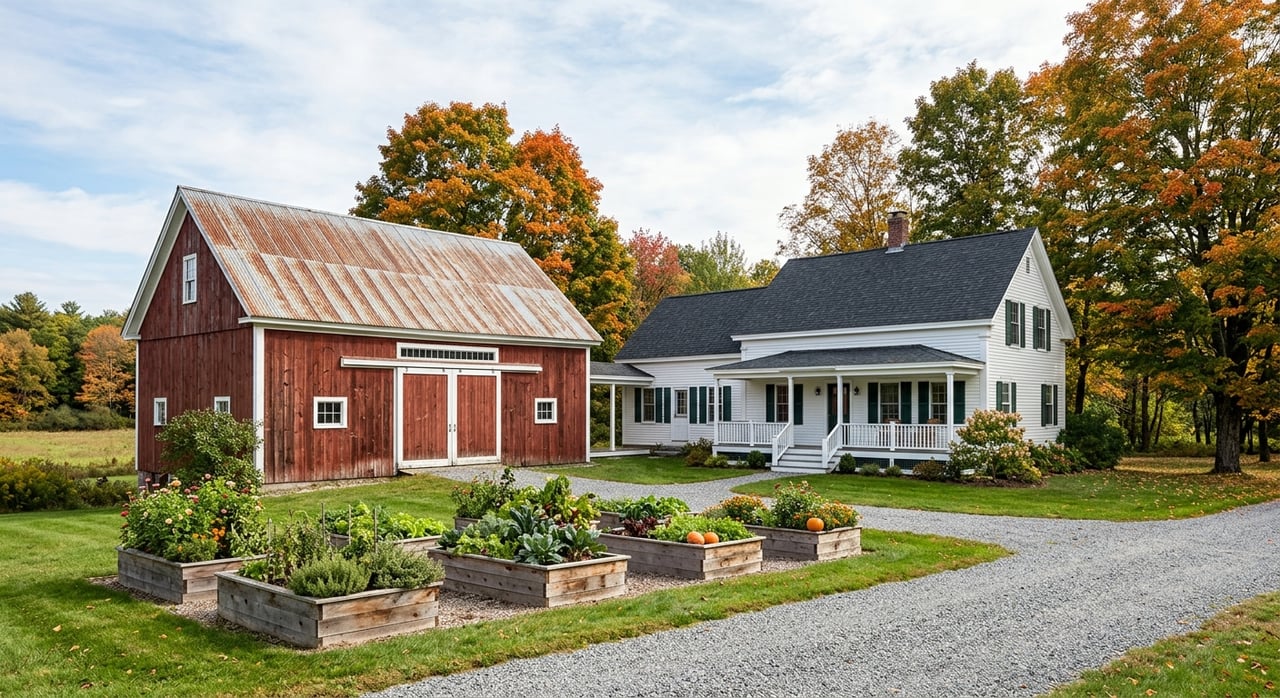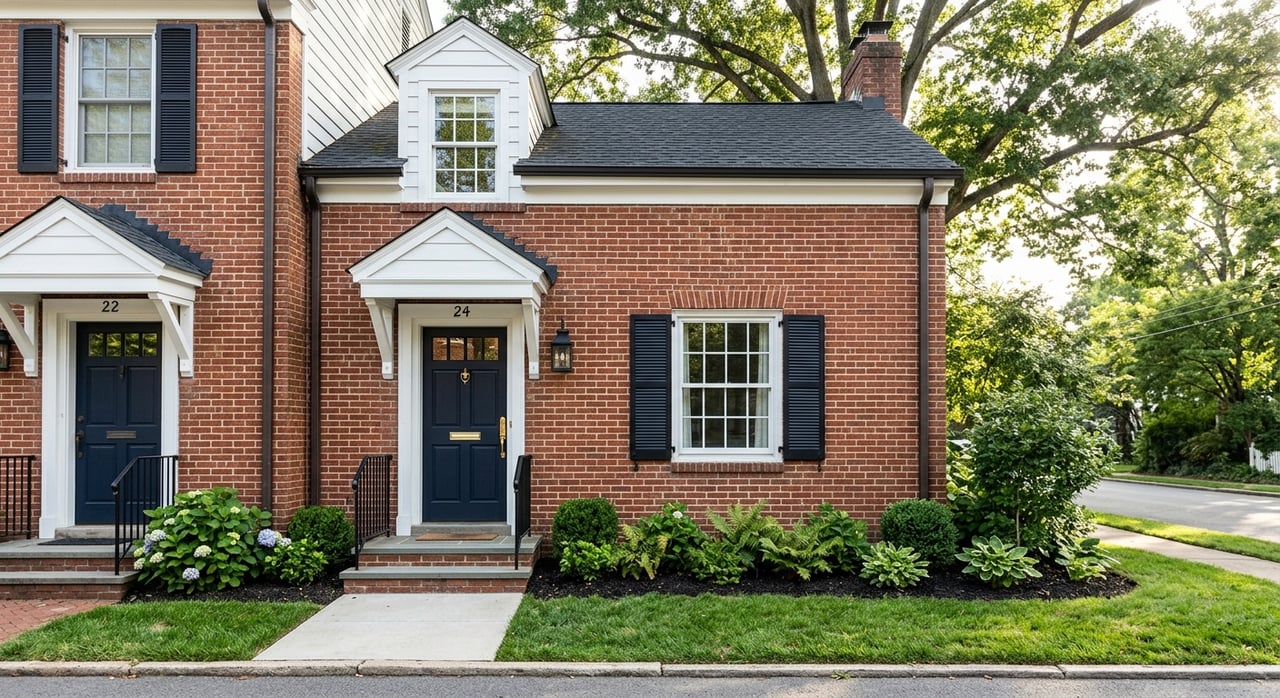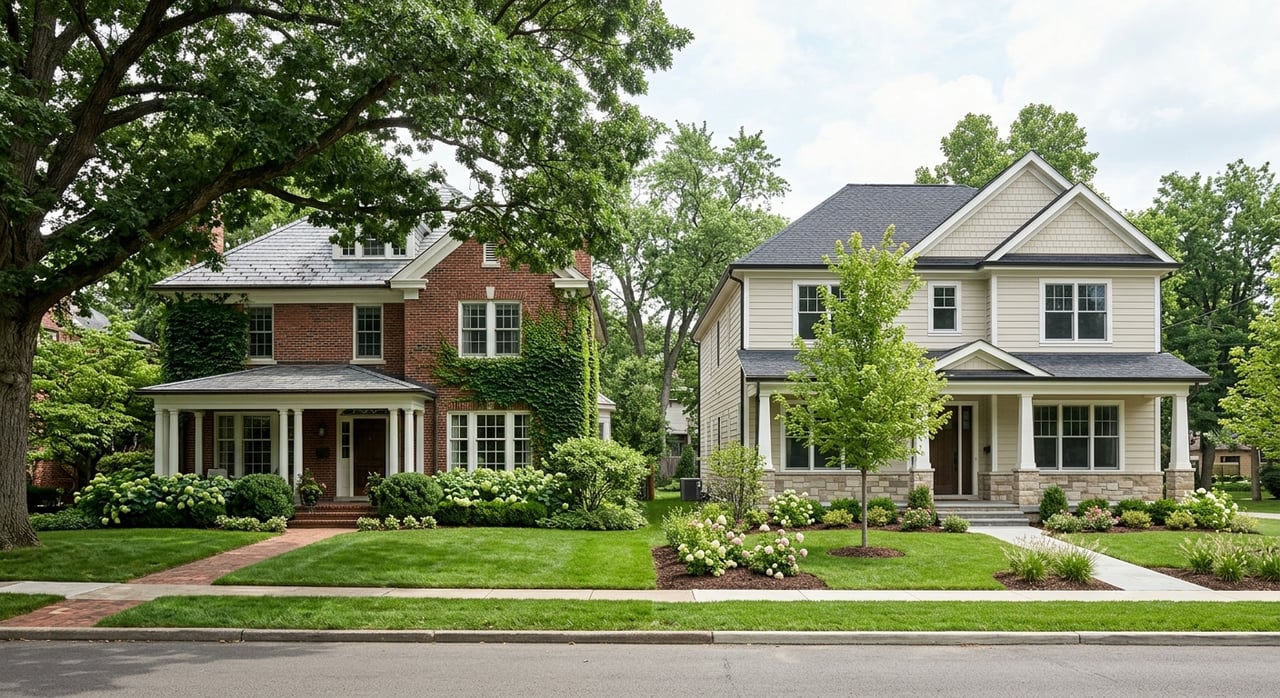
If you’ve looked at homes in Readington Township, you’ve probably noticed something right away: one street can feel rooted in centuries of local history, while the next feels more like a newer planned neighborhood. That contrast can be exciting, but it can also make your decision harder if you are trying to balance land, maintenance, privacy, and day-to-day convenience. The good news is that Readington’s housing differences are not random, and once you understand how the township developed, the choice becomes much clearer. Let’s dive in.
Why Readington Feels So Varied
Readington Township is not a one-pattern market. According to the township, it was formed in 1730, covers about 47.9 square miles, and had a 2020 Census population of 16,128. Its history is tied to early farm settlement, railroad-era villages, and a layout built around hamlets rather than one central downtown.
That matters when you start comparing neighborhoods. In many towns, the housing stock changes gradually from block to block. In Readington, the mix can feel more dramatic because you are often moving between historic village areas, rural residential land, and newer development corridors.
The township’s historic materials identify places such as Readington Village, Whitehouse Station, Three Bridges, Stanton, Centerville/Old York Road, Pleasant Run, and Potterstown as areas with 18th- and 19th-century roots. In practical terms, that often means different lot sizes, road patterns, and home styles depending on where you look.
What Established Streets Usually Mean
When buyers talk about “established streets” in Readington, they are often describing older village roads or rural residential areas shaped by earlier farm, mill, and railroad development. Whitehouse Station emerged with the railroad in 1849, Three Bridges developed as a mid-19th-century railroad village, and Stanton grew as a late-19th-century station village. Several of these areas are listed on the National Register of Historic Places.
For you as a buyer, established streets often come with a strong sense of place. You may see mature trees, older lot patterns, and homes that sit within a more historic or long-settled setting. Some buyers love that character because it can feel timeless and less cookie-cutter than newer construction.
Readington’s zoning also supports a low-density housing pattern in many parts of the township. The code includes districts such as Special Resource Residential, Agricultural Residential, Rural Residential, and Residential One-Acre. In the Special Resource Residential zone, a conventional subdivision must have a minimum lot area of 10 acres with 75,000 square feet of contiguous usable land, while the R-1 district is described as a one-acre zone.
That zoning framework helps explain why established areas in Readington often come with more land. More land can mean more privacy and more outdoor flexibility, but it can also mean more ongoing care. Larger lots often bring more owner responsibility for trees, driveways, exterior systems, and site upkeep.
Established Streets: Common Advantages
- More mature landscaping and trees
- Larger lots in many areas
- A setting tied to Readington’s village and rural history
- A stronger sense of separation between homes in some locations
Established Streets: Common Tradeoffs
- More exterior maintenance may fall on you
- Well and septic systems may be part of the picture, depending on location
- Lot and site conditions can vary more from property to property
- Older surroundings may require closer attention to condition during showings
What Newer Homes Look Like in Readington
Newer homes in Readington are often tied to a different planning model. Instead of large rural lots or historic village fabric, they are more likely to be found in planned or village-style residential areas where zoning allows more flexibility.
The township code includes Planned Neighborhood Development districts that may allow detached single-family homes, semidetached homes, townhouses, apartments, and in some cases senior townhouses. The Village Residential zone also allows detached homes plus townhouses and apartments on tracts of 20 acres or more.
One especially important example is the VR-1 Village Residential-1 zone in Whitehouse Station. The township created this zone to support detached and semidetached homes where public sanitary sewer service makes smaller lots feasible. Minimum lot sizes there are 16,000 square feet for detached homes and 8,000 square feet for semidetached homes.
If you are comparing older streets to newer homes, this is one of the biggest differences to understand. In Readington, newer development is often closely tied to where sewer infrastructure exists, which can support smaller lots and more compact neighborhood design.
Where Newer Development Is Concentrated
Municipal affordable-housing records show that much of the township’s newer or newest-documented development activity is concentrated along the Route 22 and Route 202 corridors, especially in Whitehouse Station and Three Bridges. The township lists active affordable rental options in Whitehouse Station and also identifies larger development or redevelopment sites such as Readington Commons, Bramco/Interstate Ironworks, Fox Hollow, Nelson Street, Diaz property, and 2 Railroad Avenue/Harsch.
The township specifically states that these larger projects are being sited near Route 22 and Route 202 because that is where sewer lines and sewer capacity are located. That gives buyers a useful pattern to watch. If you are drawn to newer homes, there is a strong chance your search will overlap with these corridor-oriented areas.
This does not mean every newer home will look the same. It does mean the planning logic is different from older rural or village settings. You are more likely to find neighborhoods shaped by infrastructure availability, shared planning features, and more compact lot arrangements.
HOA and Open Space Differences
One of the most important differences between established streets and newer planned neighborhoods in Readington is how land and maintenance are structured. In cluster subdivisions, the zoning code requires the developer to designate whether open space will be dedicated to the township or owned and maintained by a property owners’ association.
That can change how you think about upkeep. In a newer cluster-style community, you may trade some private land for shared open space and a more organized maintenance structure. In an older street or rural setting, you are more likely to be responsible for the lot itself and the systems that come with it.
Neither setup is automatically better. It really depends on how you want to live. Some buyers want the privacy and elbow room of a larger lot, while others prefer a more manageable property footprint with shared open-space arrangements nearby.
Questions to Ask About Maintenance
- Is there an HOA or property owners’ association?
- Who maintains shared open space, stormwater areas, or common improvements?
- Is the property served by public sewer, or will you be maintaining well and septic systems?
- How much of the upkeep falls to the individual owner?
How to Compare the Two Options
The choice between established streets and newer homes in Readington is really a choice between two planning traditions. One is rooted in historic villages and rural-lot living. The other is tied more closely to sewer-served, planned development.
If you value character, larger lots, mature trees, and a setting shaped by local history, established streets may be the better fit. If you value a more structured neighborhood format, potentially smaller lots, and development patterns tied to public infrastructure, newer homes may feel easier to manage.
A smart comparison goes beyond the age of the house. You also want to look at zoning context, utility service, lot size, maintenance expectations, and whether there is shared open space or HOA involvement. In Readington, those details can shape your ownership experience just as much as square footage or finishes.
Practical Questions for Showings
When you tour homes in Readington Township, a few targeted questions can save you time and help you compare options more clearly.
Ask About Zoning Context
Start by asking whether the property is in a historic village area, a rural residential zone, or a planned or village residential zone. The township’s zoning map and district list are the first place to verify this. That one step can explain a lot about lot size, surrounding development, and future expectations.
Ask About Sewer, Well, and Septic
This is one of the biggest practical differences in Readington. Public sewer service can make smaller-lot housing possible, while well and septic systems often align with larger-lot settings. Knowing which setup applies can help you understand maintenance, land use, and neighborhood design.
Ask About Shared Open Space
If the neighborhood includes common land, ask who owns and maintains it. In Readington cluster developments, that responsibility may belong to the township or to a property owners’ association. You want to know what that means for your costs and responsibilities.
Ask About Exterior Systems
On established streets especially, ask what major exterior items are near the end of their useful life. A home may be beautifully updated inside while still carrying bigger-ticket needs outside. This is particularly important when the property includes a larger lot or site systems that require regular care.
Ask About School Assignment by Address
Readington Township Public Schools has said that new housing growth has prompted redistricting discussions to help balance enrollment between the Whitehouse School and Three Bridges School areas. Because of that, school assignment should be verified street by street rather than assumed from a mailing address.
Which Option Fits Your Lifestyle?
There is no one-size-fits-all answer in Readington. The right choice depends on how you want your home to work for you over time. If you enjoy land, privacy, and the feel of a more historic or rural setting, established streets may check the right boxes.
If you want a newer home in an area shaped by public sewer access and planned development, Whitehouse Station and other corridor-oriented parts of Readington may offer the kind of setup you want. The key is understanding not just what looks appealing on day one, but what will feel manageable and satisfying years from now.
That is where local guidance really helps. Readington’s housing stock tells a story, and each neighborhood pattern comes with its own strengths, tradeoffs, and questions to ask before you make a move.
If you want help comparing older streets, newer homes, and the day-to-day realities behind each option in Readington Township, schedule a free consultation with Fiona Bradshaw.
FAQs
What is the difference between established streets and newer homes in Readington Township?
- Established streets in Readington are often tied to older village or rural development patterns with larger lots and mature surroundings, while newer homes are more often found in planned or village-style areas shaped by sewer availability and more flexible zoning.
Where are newer homes most likely to be found in Readington Township?
- Based on township housing records, newer or newest-documented development activity is concentrated along the Route 22 and Route 202 corridors, especially in Whitehouse Station and Three Bridges.
Do newer neighborhoods in Readington Township usually have HOAs?
- Some newer cluster-style developments may include a property owners’ association because the township code allows shared open space to be owned and maintained either by the township or by an association.
Are established streets in Readington Township more likely to have larger lots?
- In many parts of Readington, yes. The township’s zoning includes low-density districts such as one-acre and larger-lot residential areas, which helps explain why many established or rural settings offer more land.
Should buyers verify school assignment for a Readington Township address?
- Yes. Readington Township Public Schools has said new housing growth has prompted redistricting discussions, so school assignment should be confirmed by specific address rather than assumed.
Why does sewer service matter when comparing Readington Township neighborhoods?
- Sewer service can affect lot size, neighborhood design, and maintenance expectations. In Readington, the township has said larger newer projects are being located near Route 22 and Route 202 where sewer lines and capacity are available.